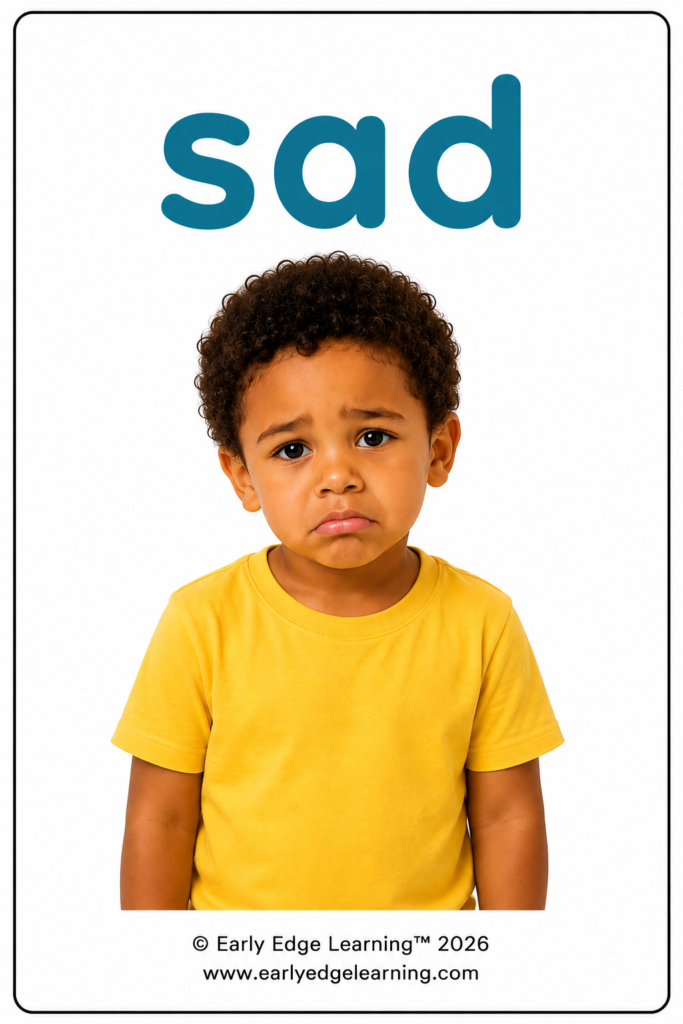
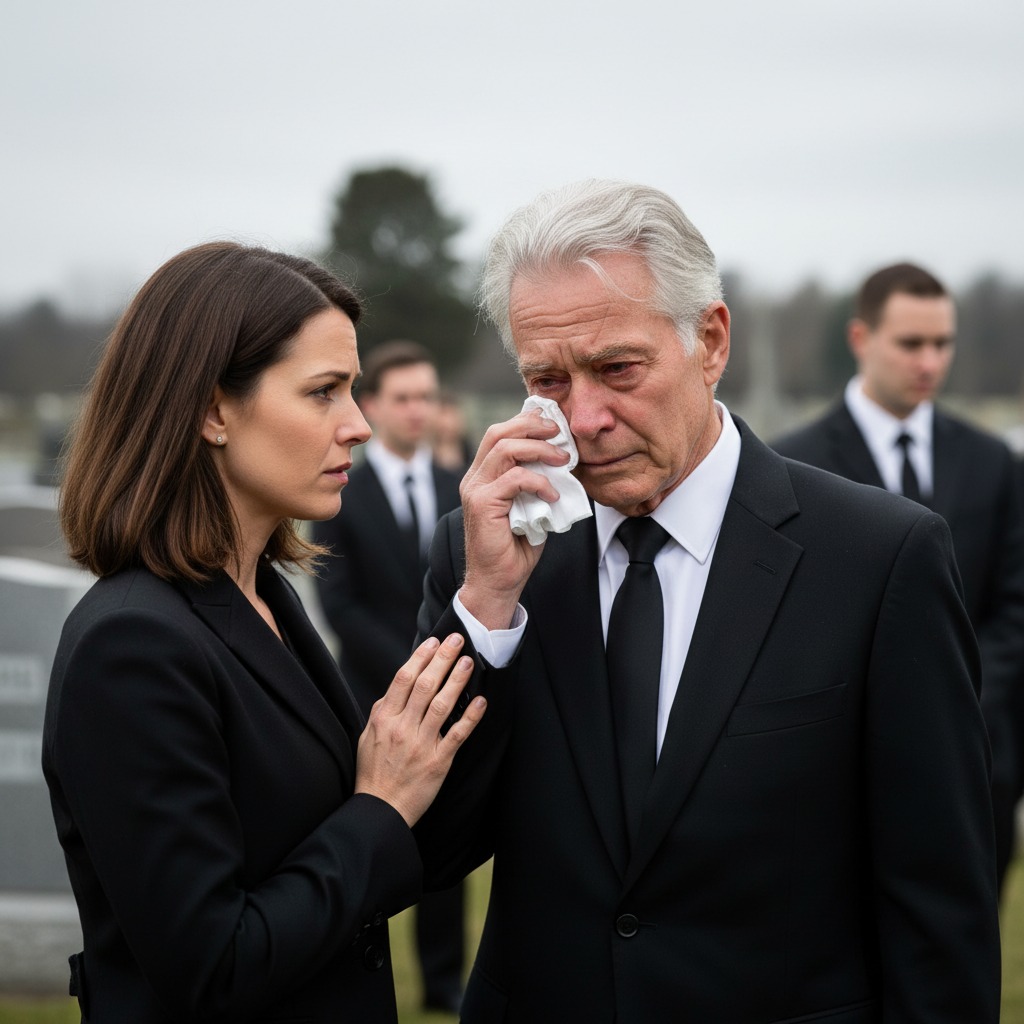
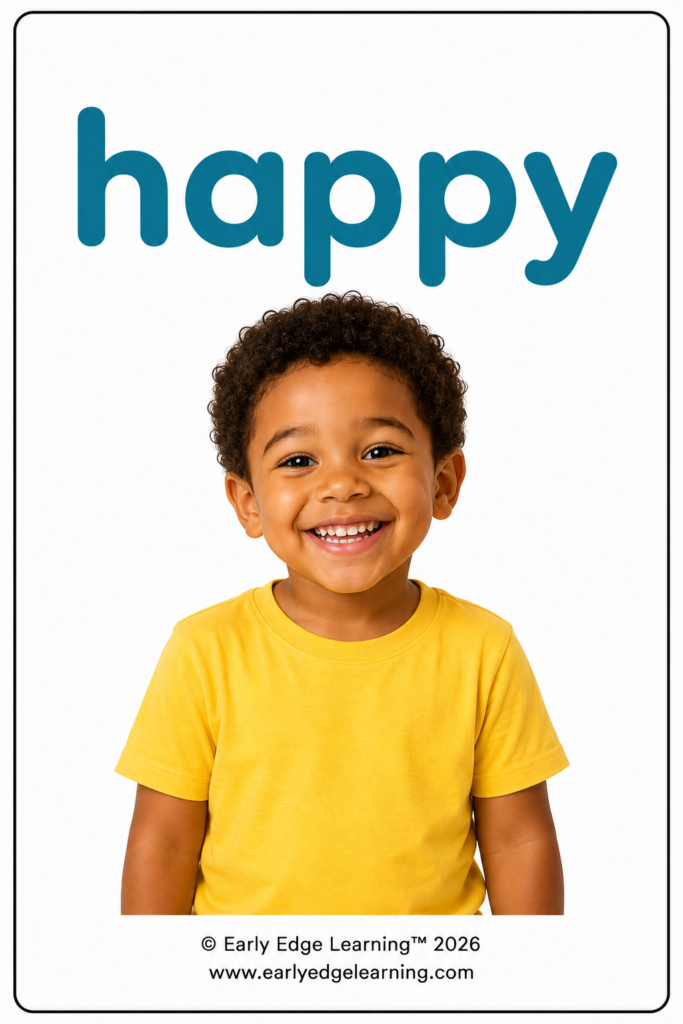
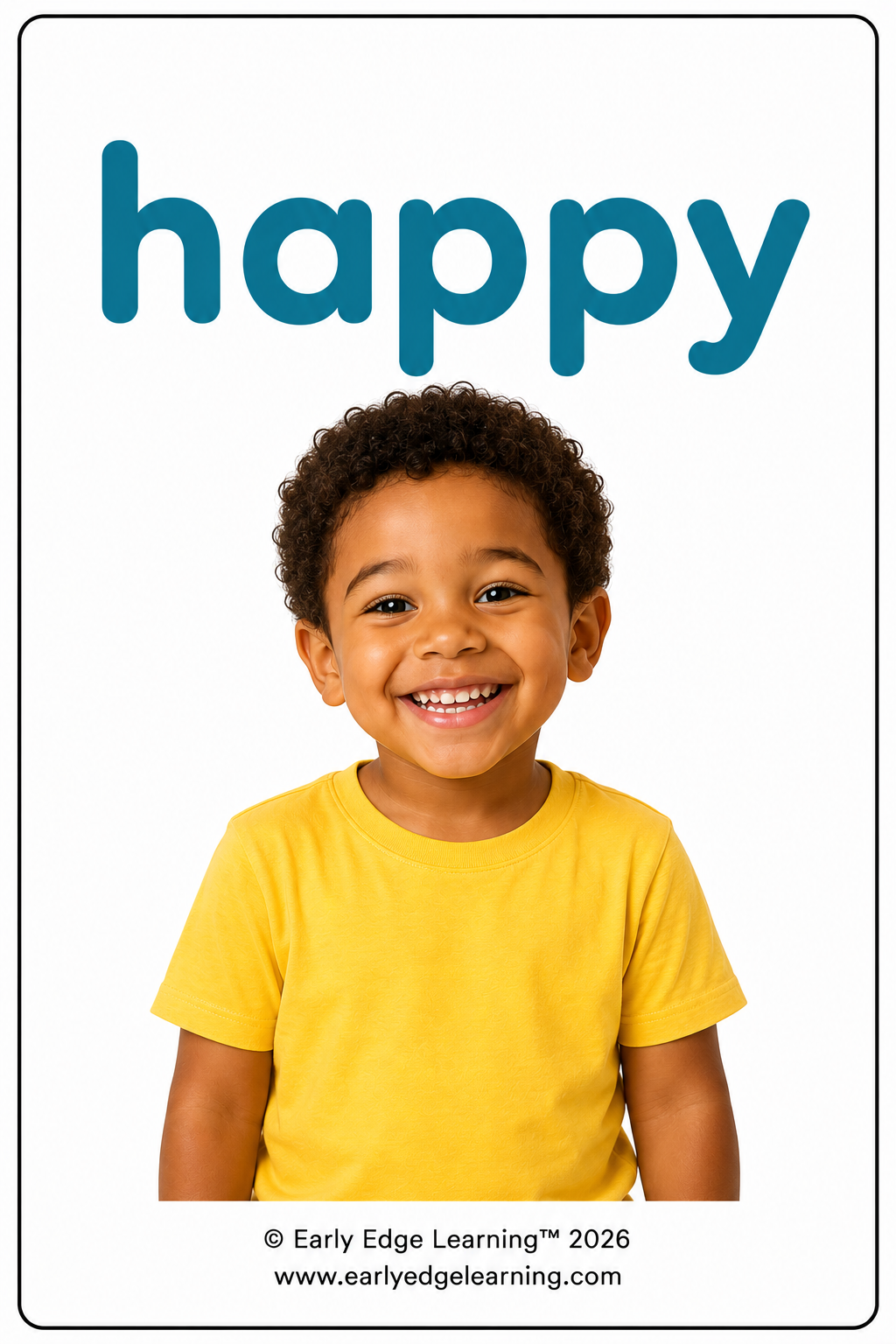
Example: “You look sad; would you like some help?”
Say it in real-life moments (mealtimes, bath, getting dressed, play). Point to what’s happening, then use the word in a short sentence. Repeat it often and ask your child to repeat it too.
Words appearing in Word of the Week have been chosen to support the DfE (Department for Education) emphasis on skills and vocabulary required for children from birth to age 5. These skills and goals are set out in the Early Years Foundation Stage Framework (EYFS), which is designed for early childhood learning.
If you’ve been reading the news recently, you’ve probably noticed that school readiness has become a major national conversation.
Teachers, charities and the government are all highlighting the same concern: too many children are starting Reception without the everyday skills that help them settle, learn and thrive.
But here’s the encouraging part.
School readiness isn’t about teaching your child to read, write or complete worksheets before they start school.
It’s about helping them become confident, independent and ready to learn.
What the latest reports are saying
Earlier this year, the government-backed Starting Reception campaign was launched to help families understand what children typically need before starting school. The aim is simple: make expectations clearer for parents and help more children enjoy a positive start to Reception.
At the same time, the latest Kindred Squared School Readiness Survey reported that teachers believe around 37% of children started Reception in 2025 not fully school ready, with increasing numbers struggling with independence, communication and emotional regulation.
Teachers reported difficulties including:
following simple instructions
dressing independently
using the toilet confidently
communicating needs
coping when separated from parents
sharing and playing with other children.
These aren’t academic skills.
They’re everyday life skills.
Why this matters
When children arrive feeling confident and independent, they can spend more time learning, making friends and enjoying school.
Children who still need lots of help with basic routines often find the first few weeks much harder. Teachers also spend valuable classroom time supporting personal care rather than teaching the whole class.
That’s why school readiness is becoming such an important national priority.
The UK Government has even set a goal for 75% of children to reach a good level of development by the end of Reception by 2028.
The good news
The encouraging thing is that these skills don’t require expensive resources or formal lessons.
Children learn them through everyday life.
Each time your child:
puts on their own coat
tidies away toys
waits for their turn
helps set the table
chats with you about their day
listens to a story
plays imaginatively
practises using the toilet independently
they’re building the foundations for school success.
Research continues to show that conversation, play, routines and opportunities to become more independent are some of the best ways to prepare children for Reception.
What we’re doing at Early Edge Learning™
At Early Edge Learning™, we believe school readiness shouldn’t feel overwhelming.
That’s why every week we create simple resources that fit into everyday family life:
Word of the Week to build vocabulary
Picture of the Week to encourage conversation
Do This Before September tips to build Reception-ready skills one small step at a time
Just two minutes a day can make a real difference over time.
Remember, preparing for school isn’t about getting ahead academically.
It’s about helping your child feel happy, confident and ready to learn.
References
UK Government – Getting children ready for Reception
UK Government – Giving every child the best start in life
Kindred Squared School Readiness Survey 2025
National Children’s Bureau – A Better Start: School Readiness Report
Say it in real-life moments (mealtimes, bath, getting dressed, play). Point to what’s happening, then use the word in a short sentence. Repeat it often and ask your child to repeat it too.
Words appearing in Word of the Week have been chosen to support the DfE (Department for Education) emphasis on skills and vocabulary required for children from birth to age 5. These skills and goals are set out in the Early Years Foundation Stage Framework (EYFS), which is designed for early childhood learning.
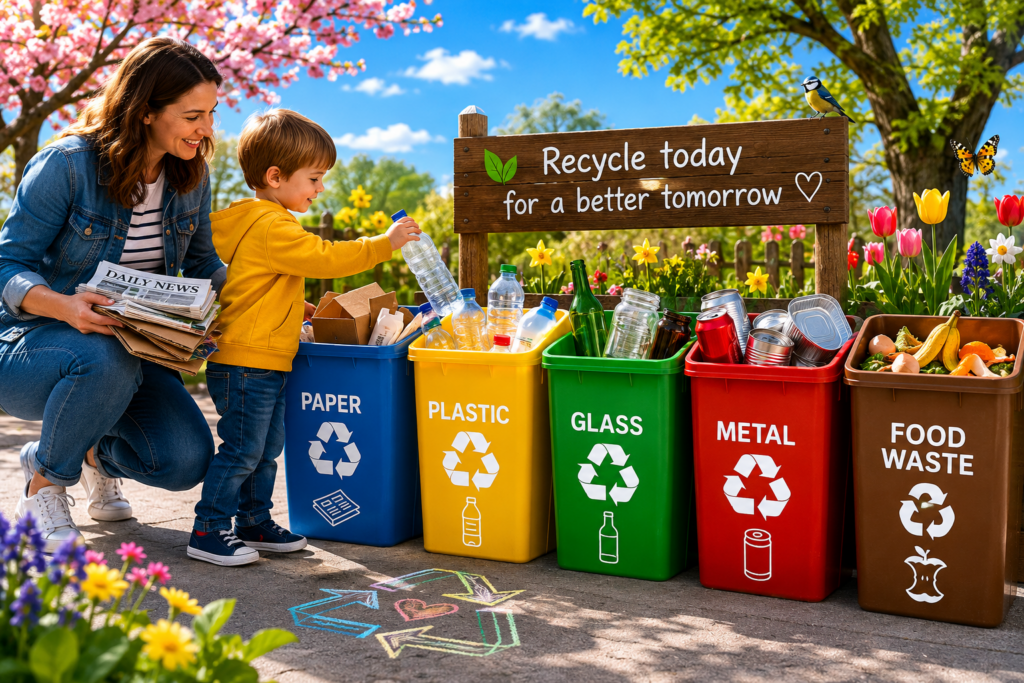
Recycling is a wonderful way to help children notice the different materials we use every day and understand how we can care for our world. As you look at the picture together, talk about the colours of the bins, the names of everyday objects, and where each item belongs. There are no right or wrong answers at first—the aim is simply to encourage conversation and curiosity.
Words you may find useful
recycle
rubbish
plastic
glass
metal
food waste
sort
newspaper
cardboard
protect
environment
Grown-Up Guide: Let’s Talk!
What to do
Look at the picture together. Point to one item at a time and encourage your child to name it. Talk about what it is made from and which recycling bin it belongs in.
You say it first (Copy + Add)
“This is a plastic bottle.”
“The newspaper goes in the paper bin.”
“The glass jar goes in the glass bin.”
“We are sorting our recycling.”
“Recycling helps to look after our planet.”
👉 Then, depending on the age of your child, add one or more words:
“The empty plastic bottle goes into the yellow recycling bin.”
“We rinse the jar before we recycle it.”
“Different materials go into different bins.”
“Recycling means we can use these materials again.”
💬 3 questions
Which bin does the bottle go in?
Can you find something made of paper?
Why do you think recycling is important?
If no answer
You say it first. For example:
“I think this newspaper goes in the paper bin. Can you find another paper item?”
⏱️ 2-minute routine
Collect two or three safe recyclable items from around your home, such as a cereal box, a plastic bottle and a yoghurt pot. Ask your child to sort them into simple groups (paper, plastic or metal) while talking about what each item is made from. This quick game builds vocabulary, observation skills and early understanding of how we can care for the environment together.