Three Types of Words That Help Prepare Children for School
Three Types of Words That Help Prepare Children for School
As parents, we spend a lot of time teaching children the names of things—animals, colours, numbers and letters. But one of the most important types of vocabulary is often overlooked: words for what’s happening inside us.
These are known as internal state words. They help children describe their feelings, understand their bodies and talk about their thinking. By the time children start Reception, teachers use these words every day. Children who understand them are better able to communicate their needs, join in conversations and make sense of classroom life.
Here are three types of internal state words you can teach naturally through everyday conversations.
1. Feelings
Children need more than just happy and sad. Learning words such as frustrated, worried and proud helps them explain how they feel instead of expressing those feelings only through their behaviour.
The easiest way to teach these words isn’t by testing children. It’s by modelling them.
Instead of asking, “How do you feel?”, try saying:
“You look frustrated because the tower kept falling.”
Just as children learn colour names by hearing adults use them, they learn emotion words through repeated exposure in meaningful situations.
2. Body States
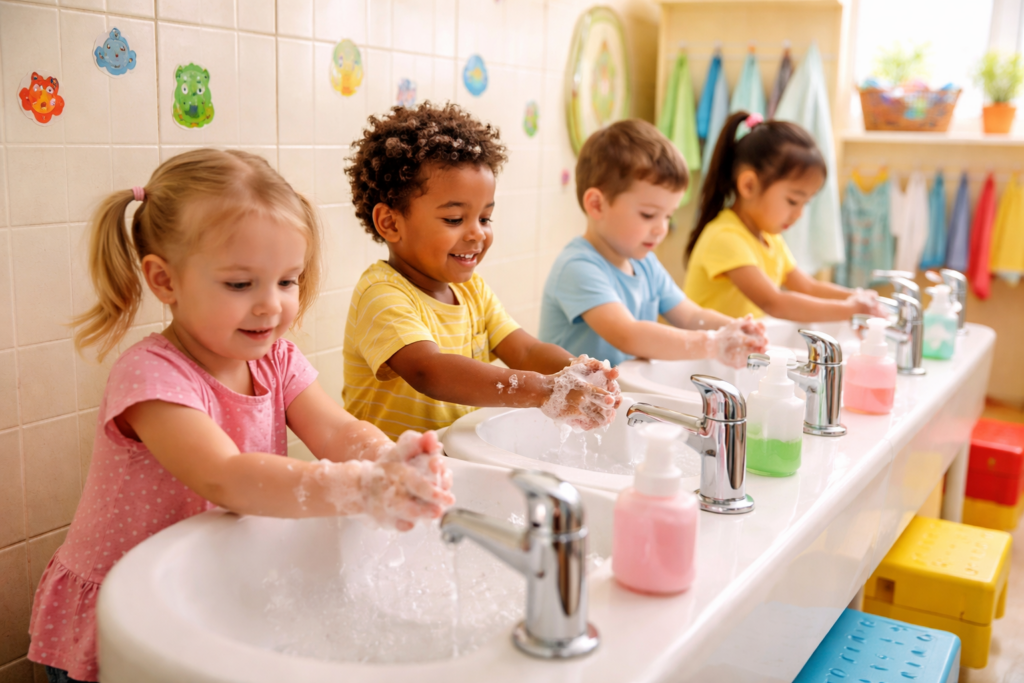
Young children also need words for what their bodies are telling them, such as hungry, thirsty, tired or hot.
Many preschoolers show these feelings through their behaviour before they can describe them. Giving them the right vocabulary helps them recognise what their body needs and communicate it more clearly.
One simple habit is to model your own body states:
“I’m thirsty after that walk.”
These everyday comments teach children that body sensations have names and that it’s normal to talk about them.
3. Thinking Words
Perhaps the most overlooked group of all are words that describe thinking, such as remember, think, notice and decide.
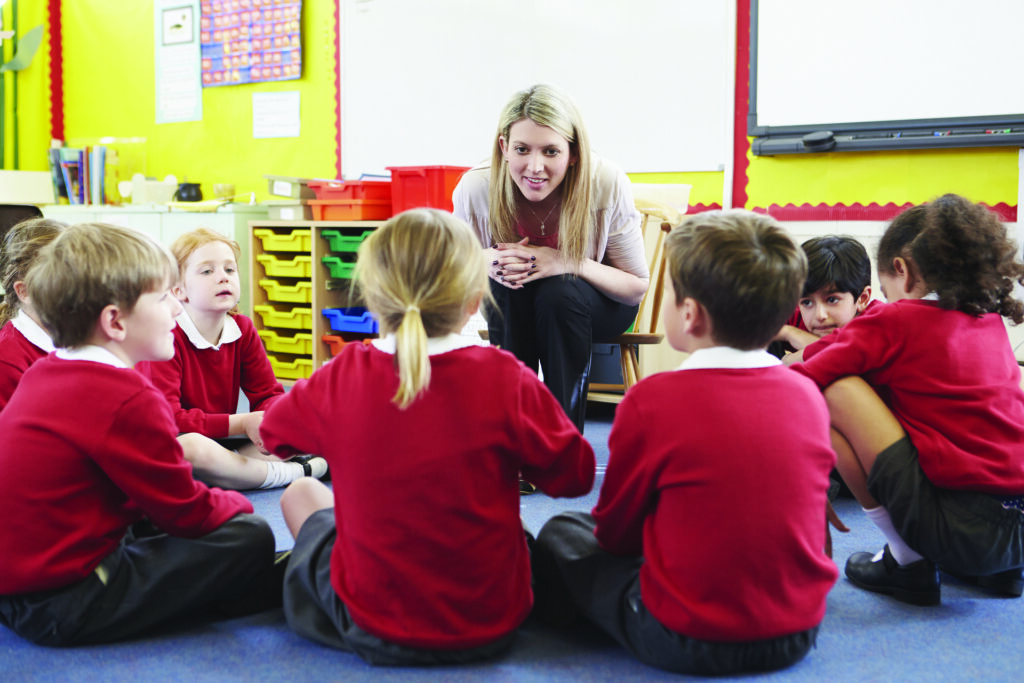
Reception teachers use these words constantly. They might ask children to remember an instruction, think about a problem or notice something in a story.
Parents can introduce the same vocabulary during everyday conversations.
Instead of asking, “What’s this?”, try:
“What do you think?”
Instead of saying, “Look!”, try:
“Did you notice…?”
These small changes encourage children to think about their own thinking while expanding the language they need for school.
Why It Matters
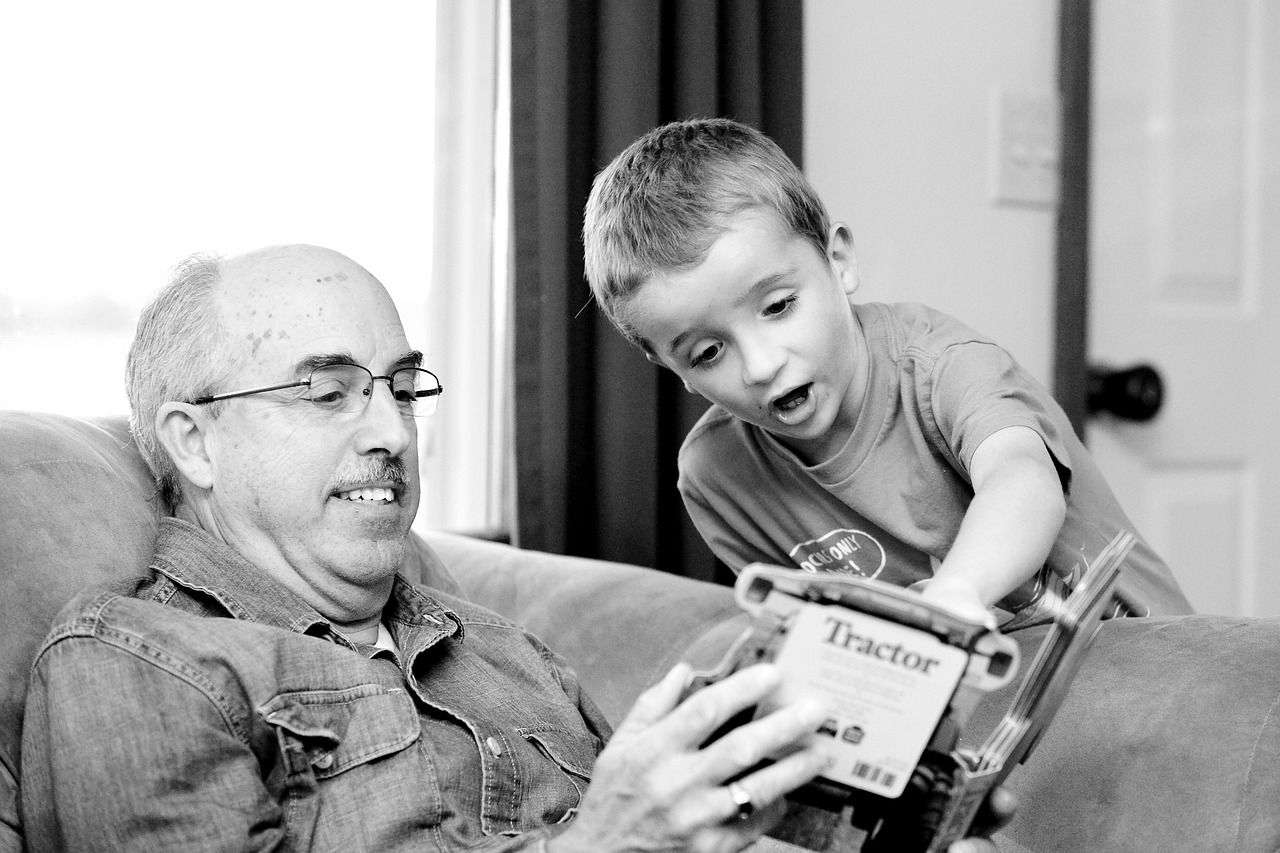
Children don’t need formal lessons to learn this vocabulary. They learn it through thousands of ordinary conversations with the adults around them.
Research consistently shows that rich adult–child conversations support children’s language development. More specifically, talking about feelings, bodily sensations and thinking helps children build the vocabulary they need to understand themselves, communicate with others and participate confidently in the classroom.
Preparing children for school isn’t only about teaching letters and numbers. It’s also about giving them the words to describe what’s happening inside them. Those everyday conversations become powerful building blocks for learning, relationships and self-understanding.