Word of the Week

One word based on DfE EYFS skill and language requirements for children from birth to age 5. The goal is for children to use the most high-value words in preparation for Reception, elementary, P1 and beyond.

Weekly Updates, Word of the Week

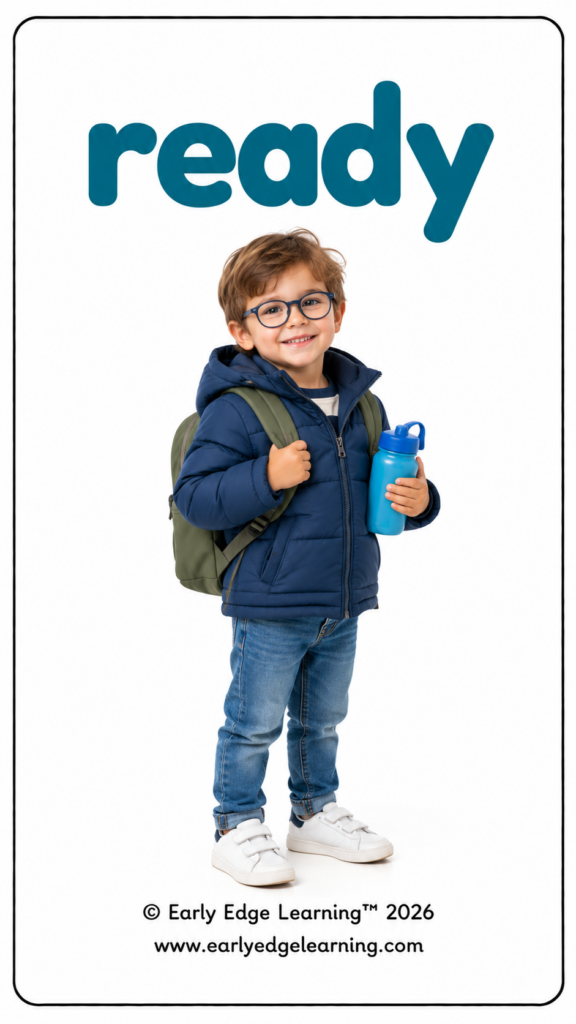
Week 42 – Word of the Week – ready

Meaning: Ready means having everything you need so you can begin.

Examples:

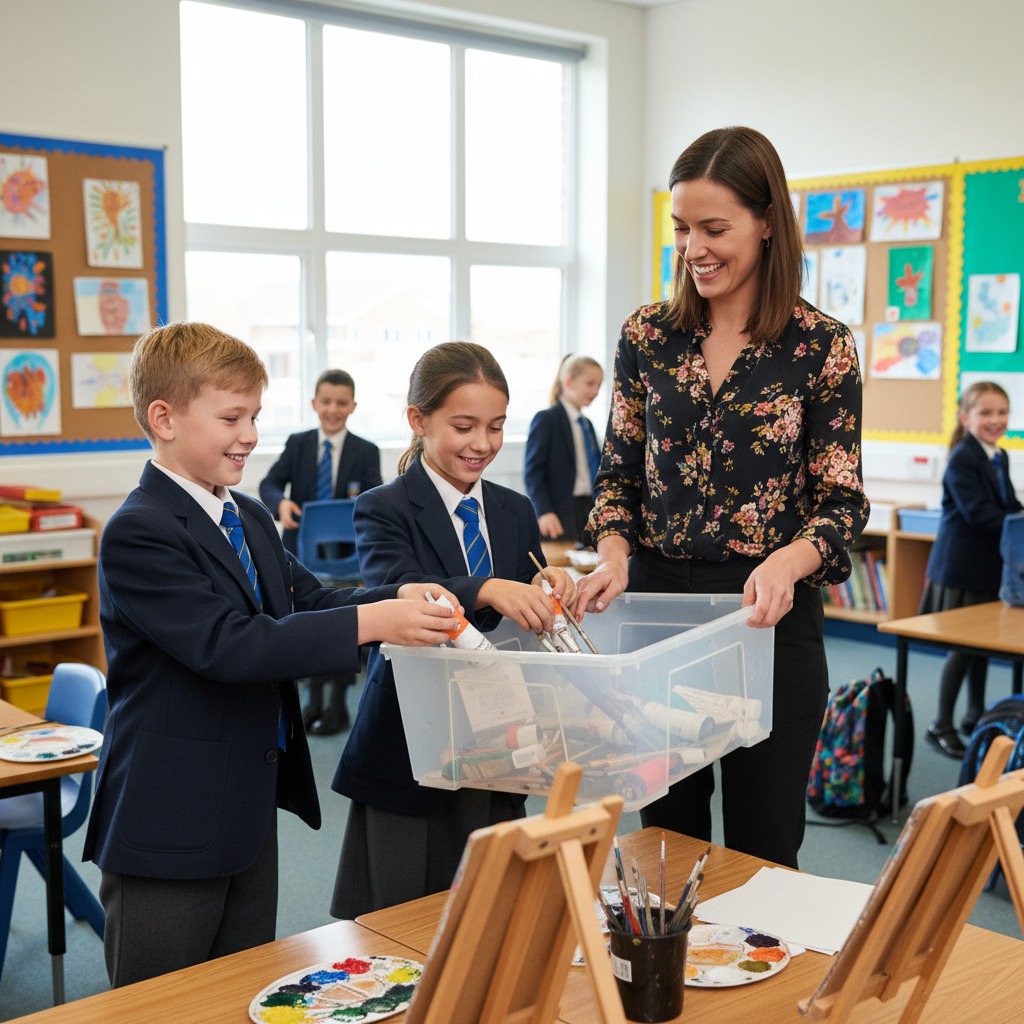
Ready is a very common classroom word. Children hear it when getting ready to go outside, beginning an activity, sitting down for a story, preparing for lunch or moving between different parts of the day.


A chef in a white jacket and blue apron stands behind a counter filled with ingredients and prep bowls, tying his apron strings.

Words appearing in Word of the Week have been chosen to support the DfE (Department for Education) emphasis on skills and vocabulary required for children from birth to age 5. These skills and goals are set out in the Early Years Foundation Stage Framework (EYFS), which is designed for early childhood learning.

Weekly Updates, Word of the Week

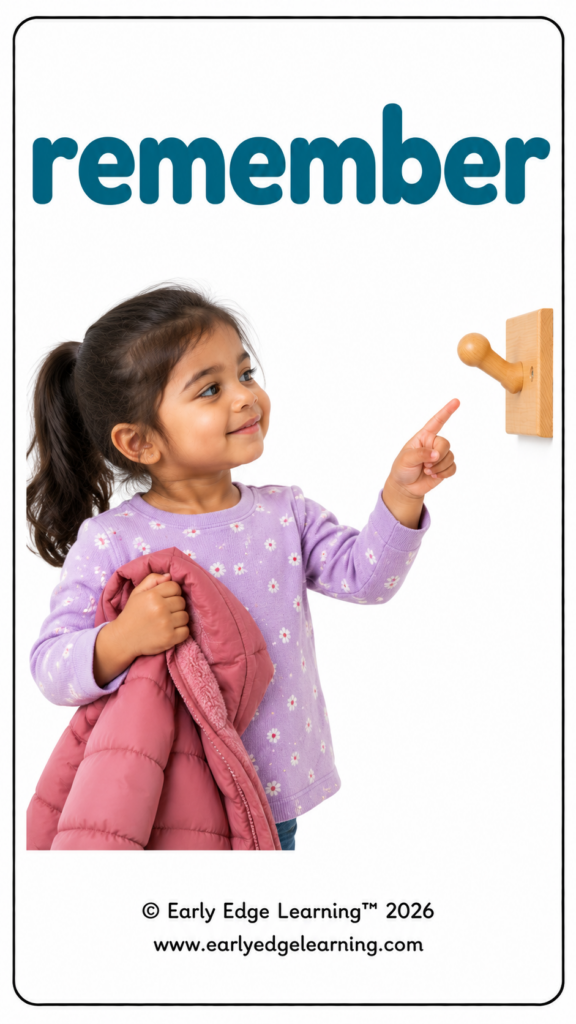
Week 40 – Word of the Week – remember

Meaning: keeping something in your mind so you don’t forget it.

Examples:

Remember is useful classroom vocabulary because children are increasingly expected to remember simple instructions, routines and where their belongings go. It supports Communication and Language as well as growing independence and self-regulation.

Say it in real-life moments (mealtimes, bath, getting dressed, play). Point to what’s happening, then use the word in a short sentence. Repeat it often and ask your child to repeat it too.

Words appearing in Word of the Week have been chosen to support the DfE (Department for Education) emphasis on skills and vocabulary required for children from birth to age 5. These skills and goals are set out in the Early Years Foundation Stage Framework (EYFS), which is designed for early childhood learning.

Weekly Updates, Word of the Week

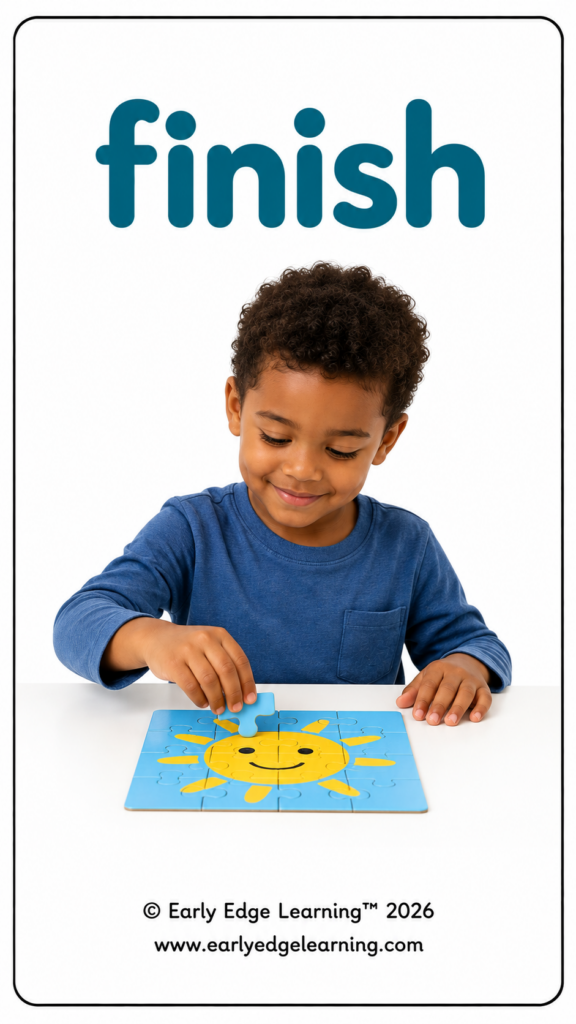
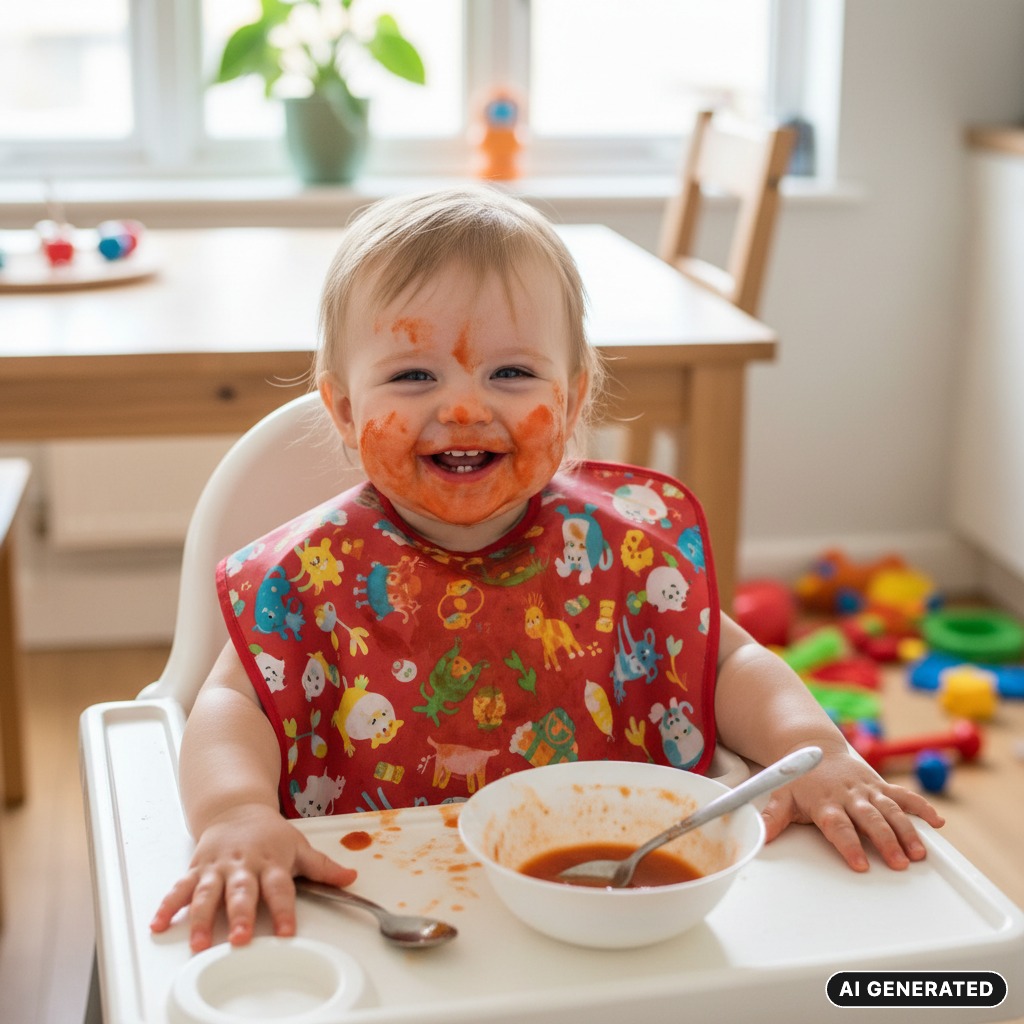
Week 39 – Word of the Week – finish

Meaning: ‘Finish ‘means doing something until it is all done.

Examples:

Say it in real-life moments (mealtimes, bath, getting dressed, play). Point to what’s happening, then use the word in a short sentence. Repeat it often and ask your child to repeat it too.

AI Generated: A messy toddler sits in a high chair, smiling broadly with red food smeared all over their face and a patterned bib.

Words appearing in Word of the Week have been chosen to support the DfE (Department for Education) emphasis on skills and vocabulary required for children from birth to age 5. These skills and goals are set out in the Early Years Foundation Stage Framework (EYFS), which is designed for early childhood learning.
Weekly Updates, Word of the Week

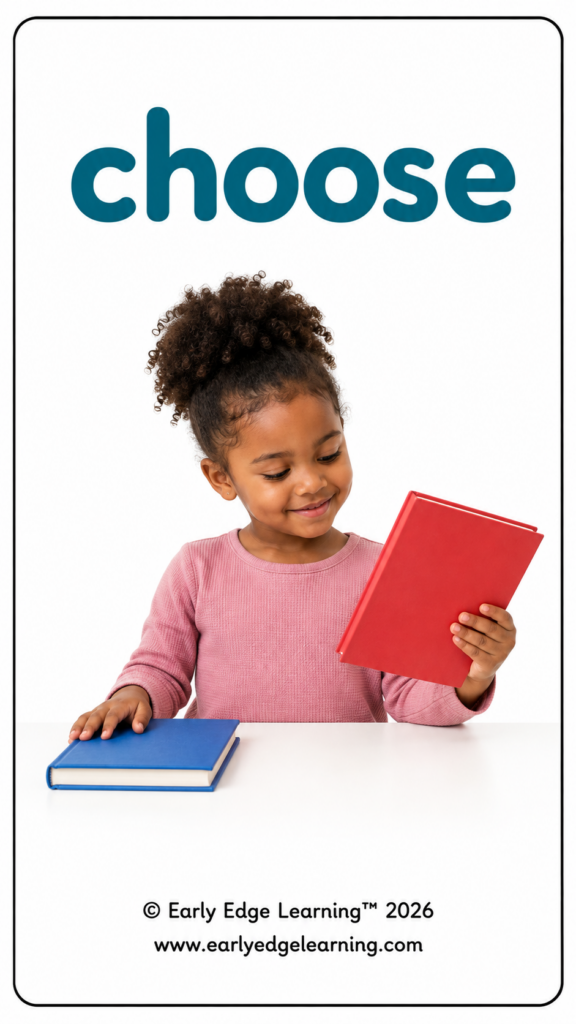
Week 38 – Word of the Week – choose

Meaning: ‘Choose’ means deciding which one you want.

Examples:

Say it in real-life moments (mealtimes, bath, getting dressed, play). Point to what’s happening, then use the word in a short sentence. Repeat it often and ask your child to repeat it too.

AI Generated: A grandfather stands smiling as his young grandson, standing on a wooden stool, points excitedly at shelves filled with colorful jars of candy in a sweet shop.

Words appearing in Word of the Week have been chosen to support the DfE (Department for Education) emphasis on skills and vocabulary required for children from birth to age 5. These skills and goals are set out in the Early Years Foundation Stage Framework (EYFS), which is designed for early childhood learning.

Weekly Updates, Word of the Week

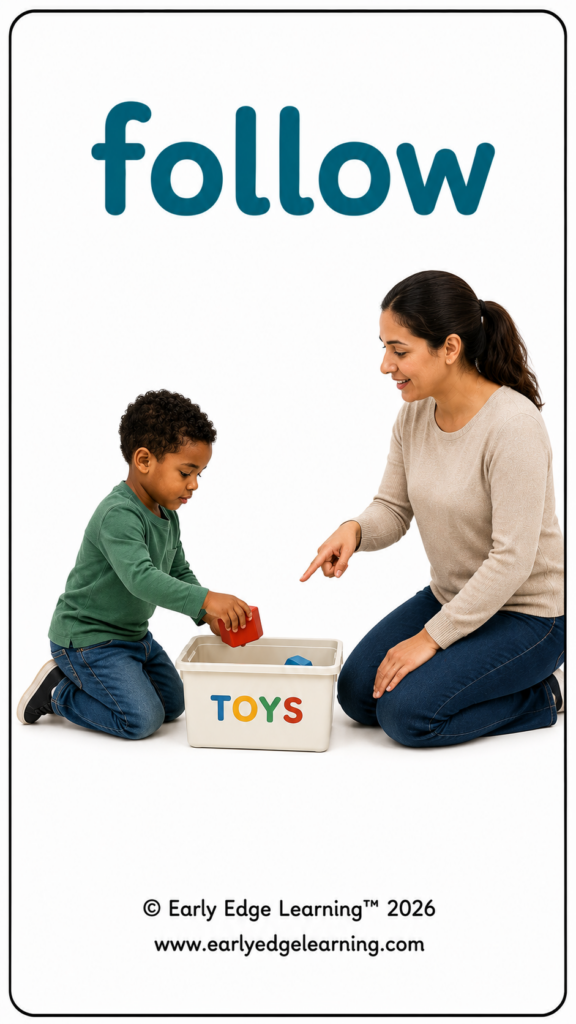
Week 37 – Word of the Week – follow

Examples:

Say it in real-life moments (mealtimes, bath, getting dressed, play). Point to what’s happening, then use the word in a short sentence. Repeat it often and ask your child to repeat it too.

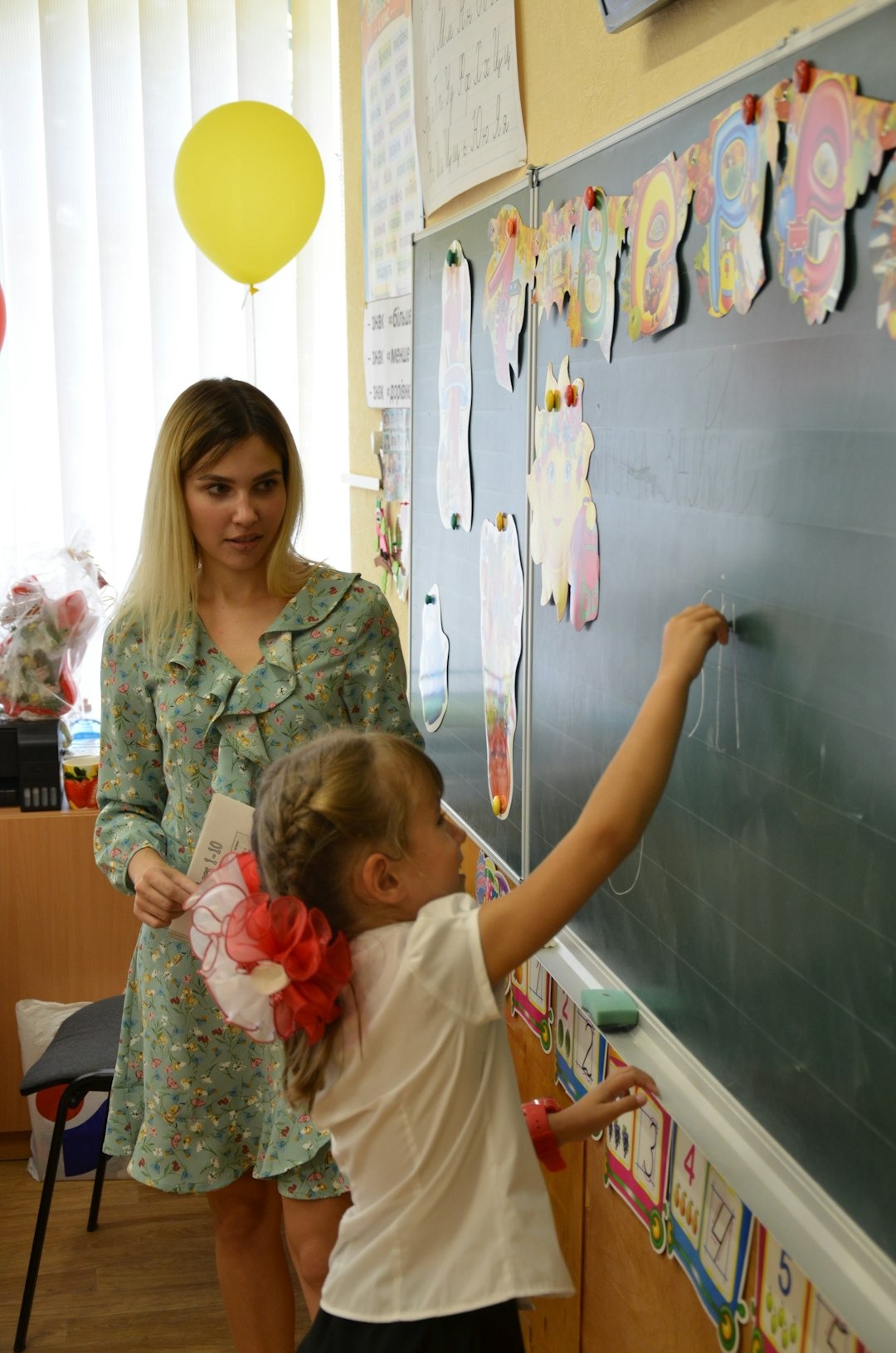
Why does she need to follow instructions?

Words appearing in Word of the Week have been chosen to support the DfE (Department for Education) emphasis on skills and vocabulary required for children from birth to age 5. These skills and goals are set out in the Early Years Foundation Stage Framework (EYFS), which is designed for early childhood learning.
Weekly Updates, Word of the Week

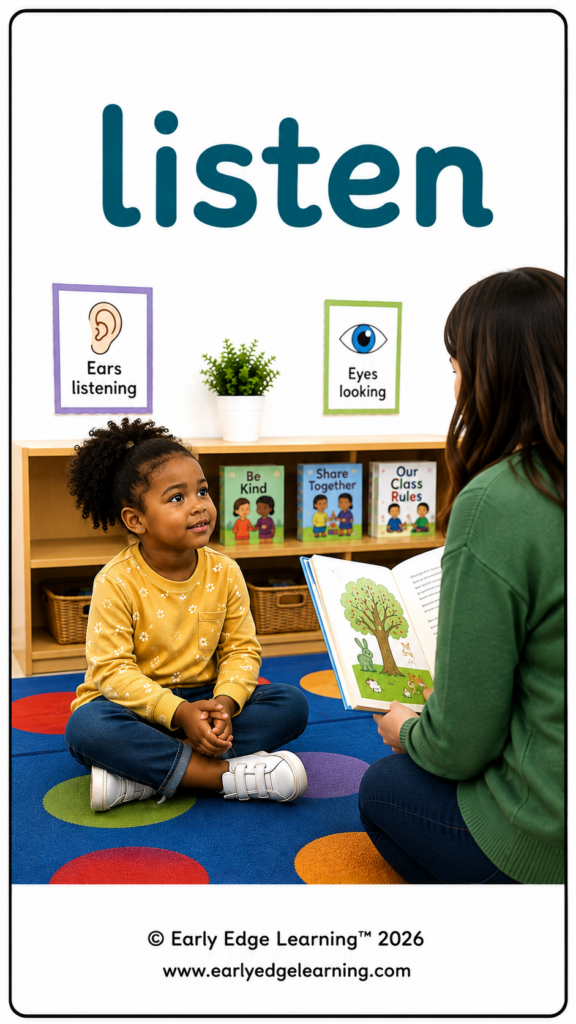
Week 36 – Word of the Week – listen

Examples

Say it in real-life moments (mealtimes, bath, getting dressed, play). Point to what’s happening, then use the word in a short sentence. Repeat it often and ask your child to repeat it too.

Do you know how to wait?

Words appearing in Word of the Week have been chosen to support the DfE (Department for Education) emphasis on skills and vocabulary required for children from birth to age 5. These skills and goals are set out in the Early Years Foundation Stage Framework (EYFS), which is designed for early childhood learning.
Subscribe for FREE Weekly Word + Picture

Close Welcome Bar
Scroll to Top