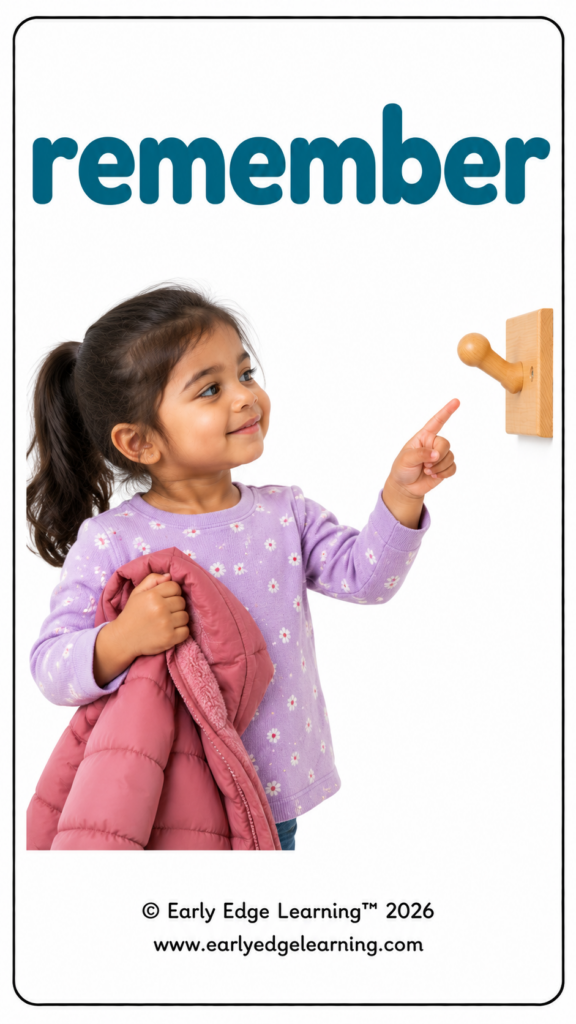
Say it in real-life moments (mealtimes, bath, getting dressed, play). Point to what’s happening, then use the word in a short sentence. Repeat it often and ask your child to repeat it too.
What do you think this is?
Where is it?
What is it going over?
This is a viaduct. Why do you think they were built?
Words appearing in Word of the Week have been chosen to support the DfE (Department for Education) emphasis on skills and vocabulary required for children from birth to age 5. These skills and goals are set out in the Early Years Foundation Stage Framework (EYFS), which is designed for early childhood learning.
Meaning: The one at the end. Example: “That was the last biscuit.”
Say it in real-life moments (mealtimes, bath, getting dressed, play). Point to what’s happening, then use the word in a short sentence. Repeat it often and ask your child to repeat it too.
Listening and attention sit at the heart of the Early Years Foundation Stage (EYFS) — they’re part of the Prime Areas of learning that underpin everything else your child will do in school. And the brilliant news is that you don’t need specialist resources or a structured lesson plan to build these skills. Your home, your routines, and your everyday conversations are already the perfect place to start.
If you’d like a structured activity to support your child’s school readiness at home, our Ready for Reception Skills interactive worksheet is a great place to begin — find it in the Shop.
Tip 1: Play “freeze” during everyday tasks
Listening isn’t just about being quiet — it’s about being ready to respond. A quick freeze game (say “freeze!” at random moments during tidying, walking, or cooking) teaches children to stop, tune in, and follow an instruction from someone other than a screen. It’s short, silly, and surprisingly effective.
Try this: Call “freeze!” when you’re walking to the shops or loading the washing machine. See who can hold still the longest.
Tip 2: Read aloud together — and stop before the en
Storytime is one of the richest listening activities you can offer. But here’s a small tweak that makes it even more powerful: pause just before a key moment and ask, “What do you think happens next?” This builds sustained attention because children learn there’s a reason to stay focused — they get to have a say. Reception teachers love children who can hold a story in their mind.
Try this: Stop two pages before the end of a favourite book. Let your child predict the ending before you turn the page.
Tip 3: Give one instruction at a time
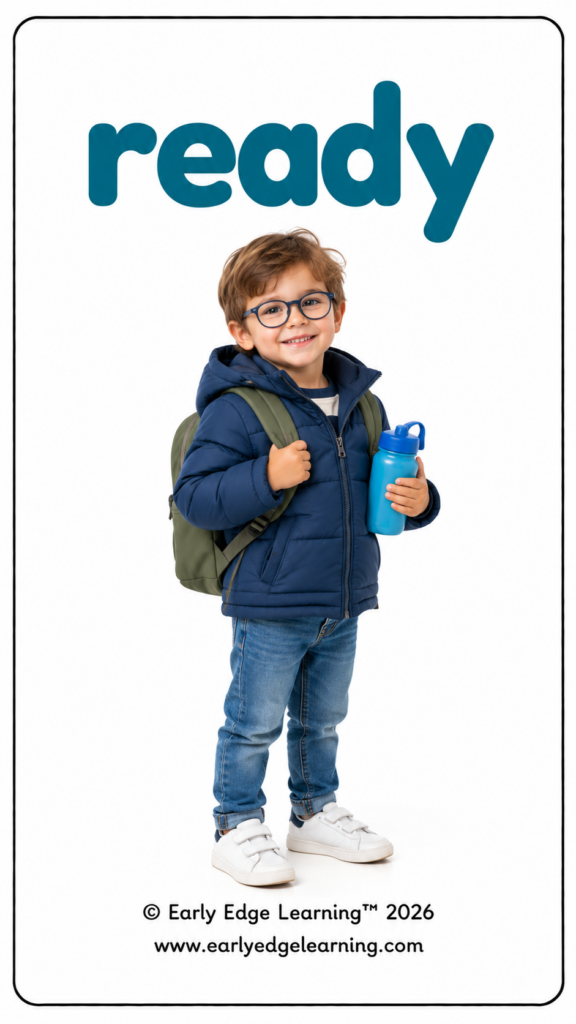
Adults often chain instructions together without realising: “Put your shoes on, grab your bag, and don’t forget your water bottle.” For a young child, this is genuinely overwhelming. Practising one-step instructions at home gets children used to listening carefully, acting on what they heard, and then waiting for the next step — which is exactly what their teacher will need them to do in the classroom.
Try this: Instead of a list, say “Can you go and get your shoes?” Wait. Then: “Now can you get your bag?” Notice how much better they respond.
A note for parents
None of this needs to be perfect — and it certainly doesn’t need to feel like school. The children who settle most happily into Reception aren’t always the ones who know the most. They’re often the ones who have learned, in small, relaxed moments at home, that listening is worth doing.
Ready to take the next step? Download the Ready for Reception Skills interactive worksheet from the Early Edge Learning Shop and start building your child’s invisible map to school today.
You’re already doing more than you know. Keep going.
2 minutes that build listening Last month’s poll showed that parents were keen to improve their child’s listening and attention skills. So this month, we are recommending a cost-free activity to help your child practise paying attention and following instructions.
Try a quick game of Simon Says at home. Say a simple action such as, “Simon says touch your head” or “Simon says clap twice.” Your child only does the action if you say “Simon says” first.
This easy game helps children listen carefully, notice key words, wait, and follow instructions. These are all important skills for nursery, preschool, and Reception.
Keep it short, playful, and simple. Two minutes is enough.
Try these ideas: “Simon says, sit down.” “Simon says, hands on knees.” “Simon says, touch your nose.” “Jump!”
That last one is the trick — if you did not say “Simon says,” your child has to stop and listen again.
Why it helps: Listening games like this help children get ready for Reception because they practise paying attention, controlling impulses, and following simple spoken instructions — all skills children use every day in the classroom.