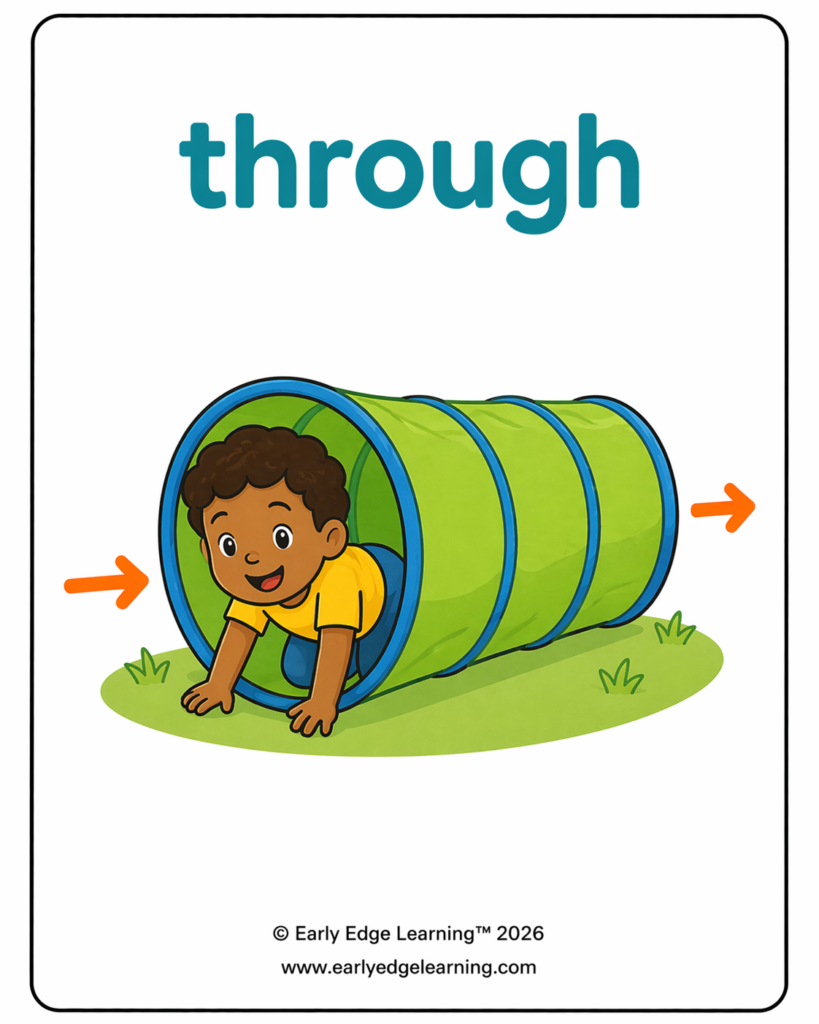
Say it in real-life moments (mealtimes, bath, getting dressed, play). Point to what’s happening, then use the word in a short sentence. Repeat it often and ask your child to repeat it too.
TLDR: Before Reception, the three things worth practising at home are going to the toilet independently, getting dressed and undressed, and choosing water over squash or fizzy drinks — all simple, all free. Little and often is the key: five minutes of practice in the morning routine now saves a lot of stress come September.
How to Prepare Your Child for Reception: Personal Care
One of the quiet superpowers of early childhood is learning to do things for yourself. Children who can manage their own basic needs arrive at Reception feeling capable — and that confidence matters from day one.
You may already have laid good groundwork. Hanging up a coat, recognising their name on a peg, following a daily routine — all of that is brilliant preparation. Keep going.
What does the EYFS actually say?
The Early Years Foundation Stage framework names three specific self-care skills that children are expected to reach by the end of Reception year (around age five). That means the year before school is your runway, not a deadline — it’s the ideal time to build these habits at home, without the pressure.
“Never help a child with a task at which he feels he can succeed.”
Maria Montessori
As Maria Montessori put it: “Never help a child with a task at which he feels he can succeed.” It’s harder than it sounds — but it’s one of the most powerful things you can do.
The three skills are:
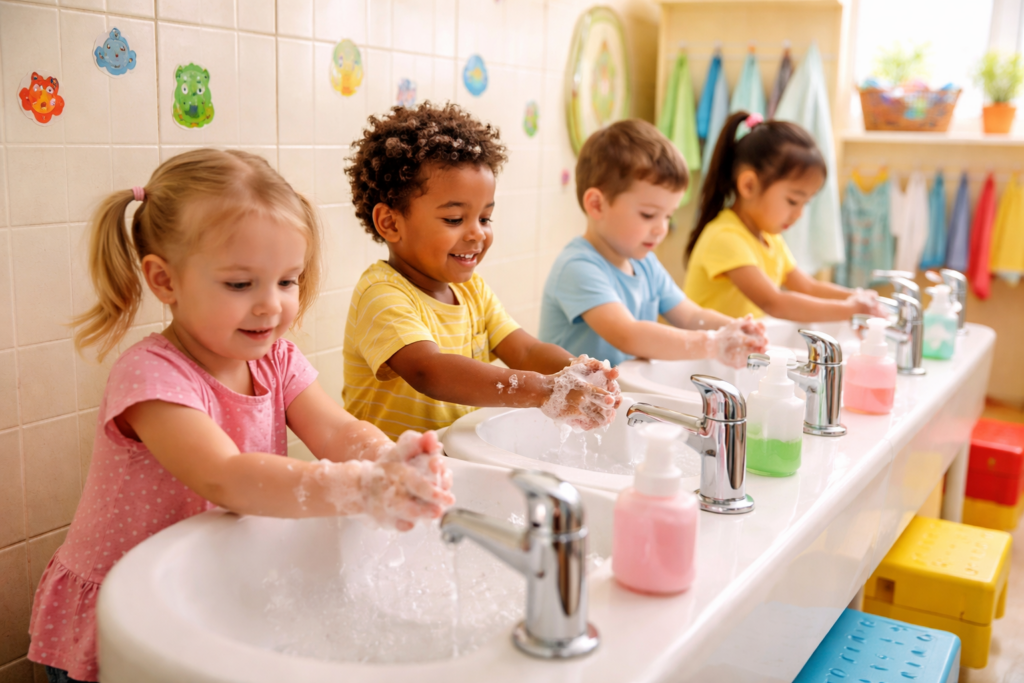
1. Toileting independently Going to the toilet, wiping, flushing, and washing hands — all without prompting. This is the big one. If your child is not yet wiping independently, make it a gentle focus now. Narrate the steps, practice together, and praise effort rather than perfection.
🎬 CBeebies can help here: the Hey Duggee Potty Training Song and The Toilet Song are both fun, short videos that walk children through the steps — including handwashing at the end. Find them at bbc.co.uk/cbeebies.
2. Dressing and undressing In Reception, children change for PE, manage coats at playtime, and sort themselves after toilet trips. Doing up buttons and zips takes practice — so build it into your morning routine. Give them time, even when you’re in a hurry (just not when you’re in a hurry). Resist the urge to step in too quickly.
3. Understanding healthy food choices This is about making healthy options the default at home — and the good news is that they’re often the most affordable ones too. Fruit, vegetables, water, and plain crackers are typically cheaper than confectionary and fizzy drinks. It’s worth knowing that most schools do not allow squash or fizzy drinks in packed lunches, and they aren’t provided at lunchtime either. Starting these habits now means no surprises — and no battles — on day one.
Say it in real-life moments (mealtimes, bath, getting dressed, play). Point to what’s happening, then use the word in a short sentence. Repeat it often and ask your child to repeat it too.
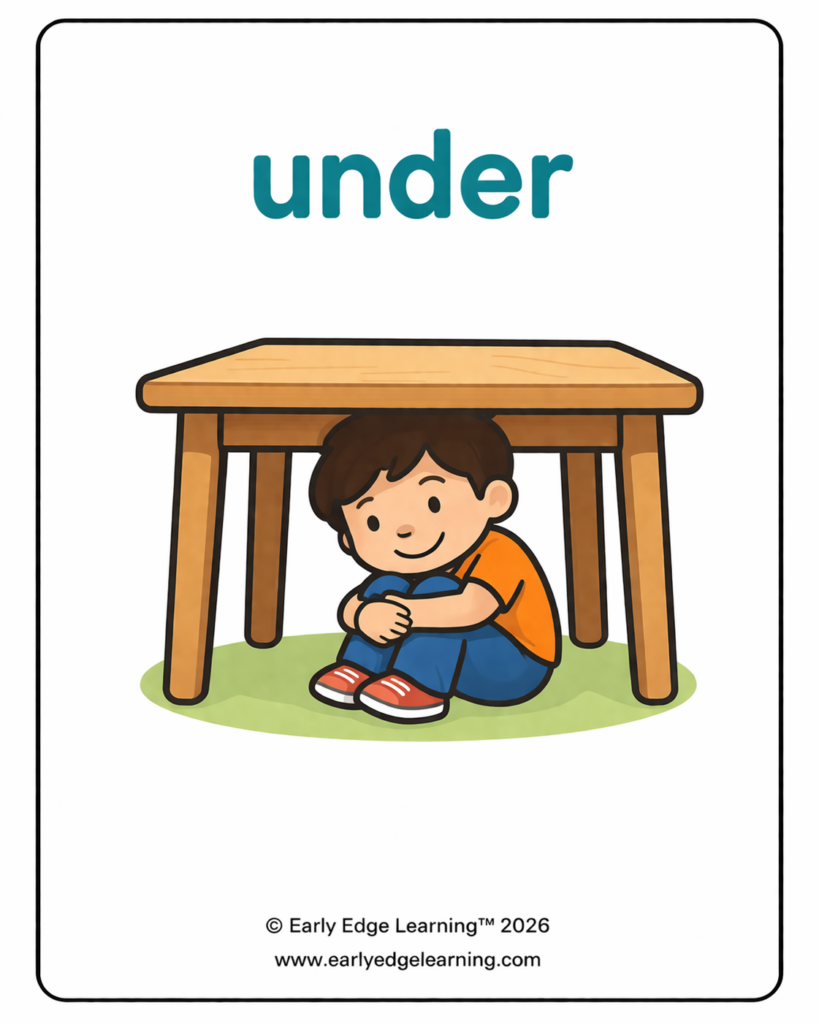
Meaning: Below something
Example: “It’s raining – stand under my umbrella.”
Can you use the word under to describe what is happening in this video?
Where do you think this is?
Words appearing in Word of the Week have been chosen to support the DfE (Department for Education) emphasis on skills and vocabulary required for children from birth to age 5. These skills and goals are set out in the Early Years Foundation Stage Framework (EYFS), which is designed for early childhood learning.
Say it in real-life moments (mealtimes, bath, getting dressed, play). Point to what’s happening, then use the word in a short sentence. Repeat it often and ask your child to repeat it too.
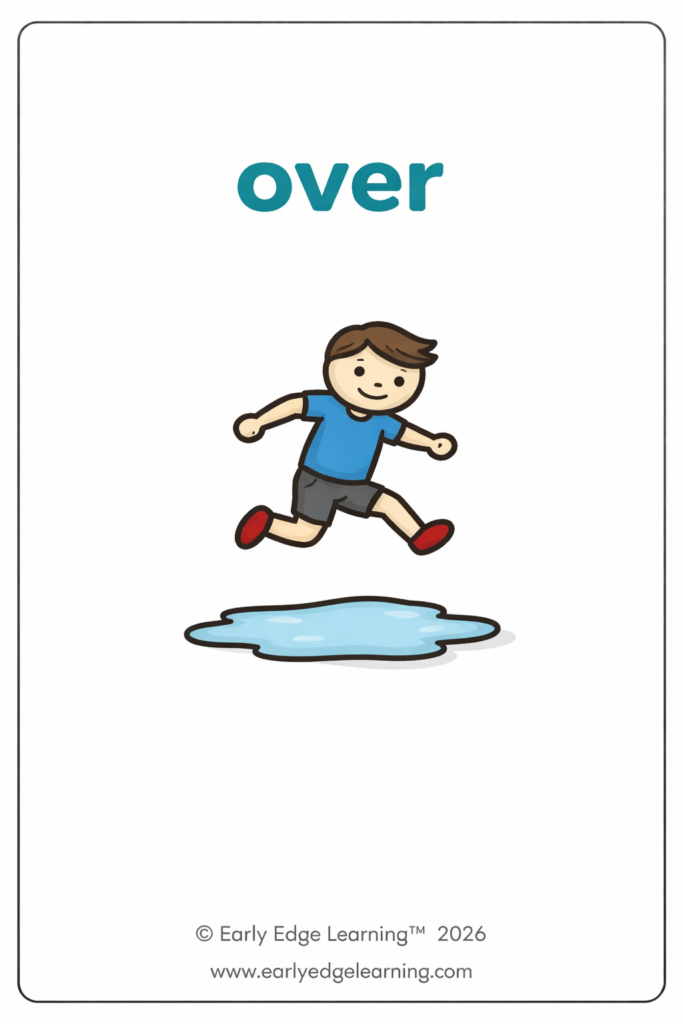
What do you think this is?
Where is it?
What is it going over?
This is a viaduct. Why do you think they were built?
Words appearing in Word of the Week have been chosen to support the DfE (Department for Education) emphasis on skills and vocabulary required for children from birth to age 5. These skills and goals are set out in the Early Years Foundation Stage Framework (EYFS), which is designed for early childhood learning.
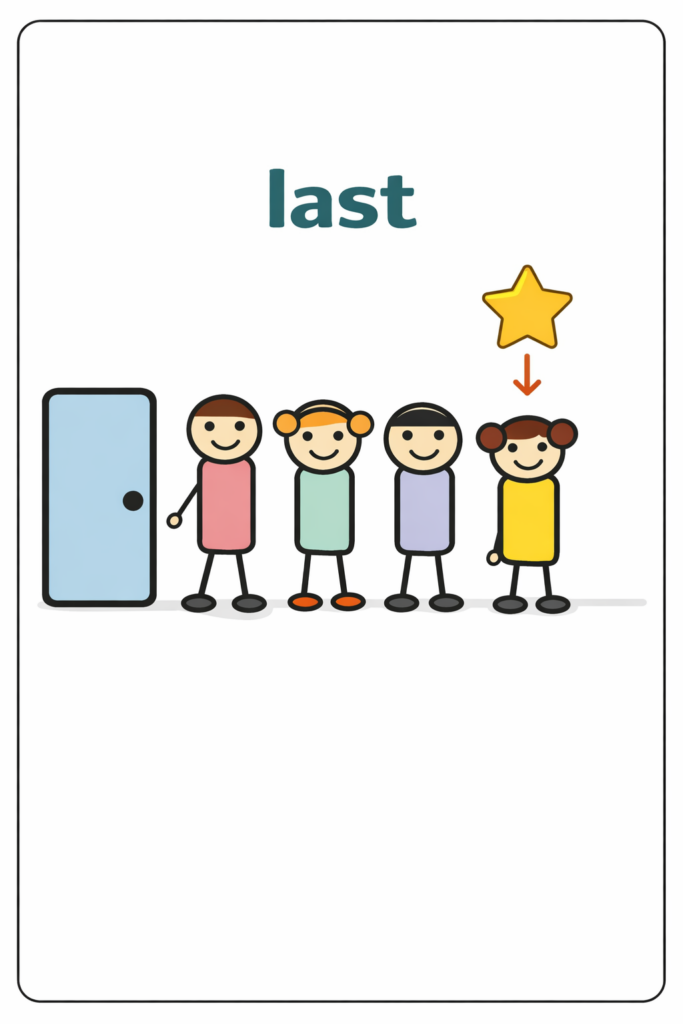
Meaning: The one at the end. Example: “That was the last biscuit.”
Say it in real-life moments (mealtimes, bath, getting dressed, play). Point to what’s happening, then use the word in a short sentence. Repeat it often and ask your child to repeat it too.
Listening and attention sit at the heart of the Early Years Foundation Stage (EYFS) — they’re part of the Prime Areas of learning that underpin everything else your child will do in school. And the brilliant news is that you don’t need specialist resources or a structured lesson plan to build these skills. Your home, your routines, and your everyday conversations are already the perfect place to start.
If you’d like a structured activity to support your child’s school readiness at home, our Ready for Reception Skills interactive worksheet is a great place to begin — find it in the Shop.
Tip 1: Play “freeze” during everyday tasks
Listening isn’t just about being quiet — it’s about being ready to respond. A quick freeze game (say “freeze!” at random moments during tidying, walking, or cooking) teaches children to stop, tune in, and follow an instruction from someone other than a screen. It’s short, silly, and surprisingly effective.
Try this: Call “freeze!” when you’re walking to the shops or loading the washing machine. See who can hold still the longest.
Tip 2: Read aloud together — and stop before the en
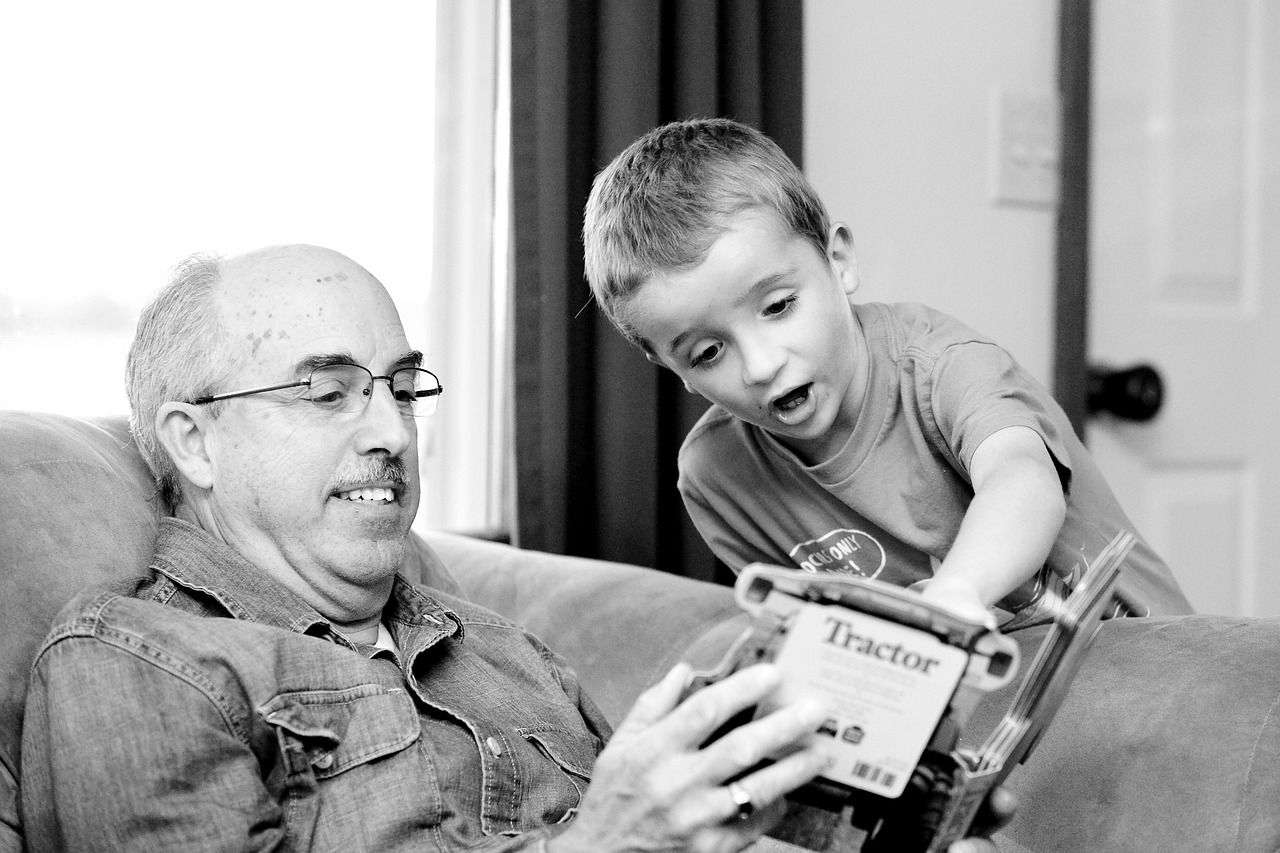
Storytime is one of the richest listening activities you can offer. But here’s a small tweak that makes it even more powerful: pause just before a key moment and ask, “What do you think happens next?” This builds sustained attention because children learn there’s a reason to stay focused — they get to have a say. Reception teachers love children who can hold a story in their mind.
Try this: Stop two pages before the end of a favourite book. Let your child predict the ending before you turn the page.
Tip 3: Give one instruction at a time
Adults often chain instructions together without realising: “Put your shoes on, grab your bag, and don’t forget your water bottle.” For a young child, this is genuinely overwhelming. Practising one-step instructions at home gets children used to listening carefully, acting on what they heard, and then waiting for the next step — which is exactly what their teacher will need them to do in the classroom.
Try this: Instead of a list, say “Can you go and get your shoes?” Wait. Then: “Now can you get your bag?” Notice how much better they respond.
A note for parents
None of this needs to be perfect — and it certainly doesn’t need to feel like school. The children who settle most happily into Reception aren’t always the ones who know the most. They’re often the ones who have learned, in small, relaxed moments at home, that listening is worth doing.
Ready to take the next step? Download the Ready for Reception Skills interactive worksheet from the Early Edge Learning Shop and start building your child’s invisible map to school today.
You’re already doing more than you know. Keep going.