Author name: admin

Weekly Updates, Word of the Week

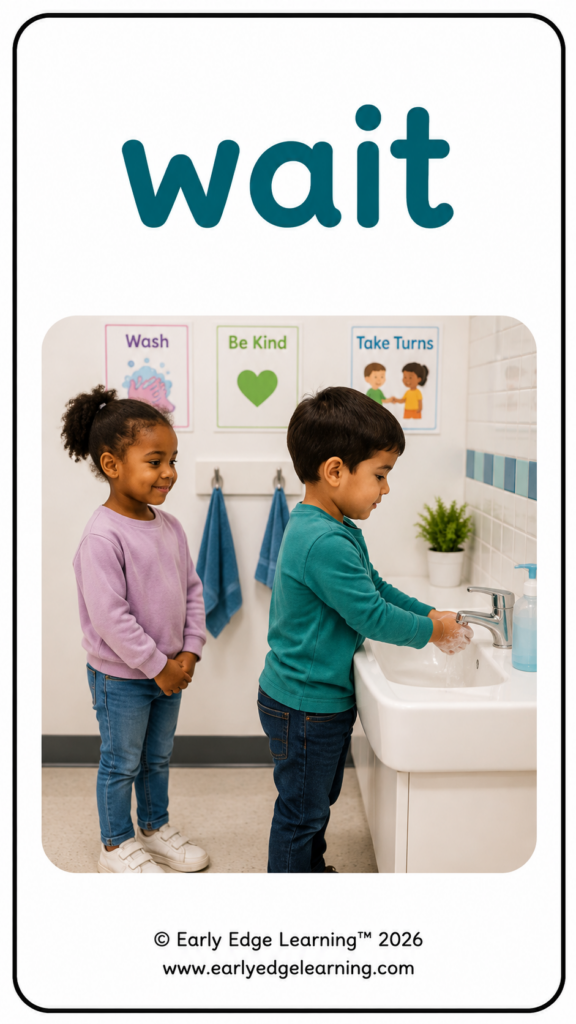
Week 12 Word of the Week: After

Meaning: Something that happens later.
Example: “After lunch, we play.”

Say it in real-life moments (mealtimes, bath, getting dressed, play). Point to what’s happening, then use the word in a short sentence. Repeat it often and ask your child to repeat it too.

Words appearing in Word of the Week have been chosen to support the DfE (Department for Education) emphasis on skills and vocabulary required for children from birth to age 5. These skills and goals are set out in the Early Years Foundation Stage Framework (EYFS), which is designed for early childhood learning.
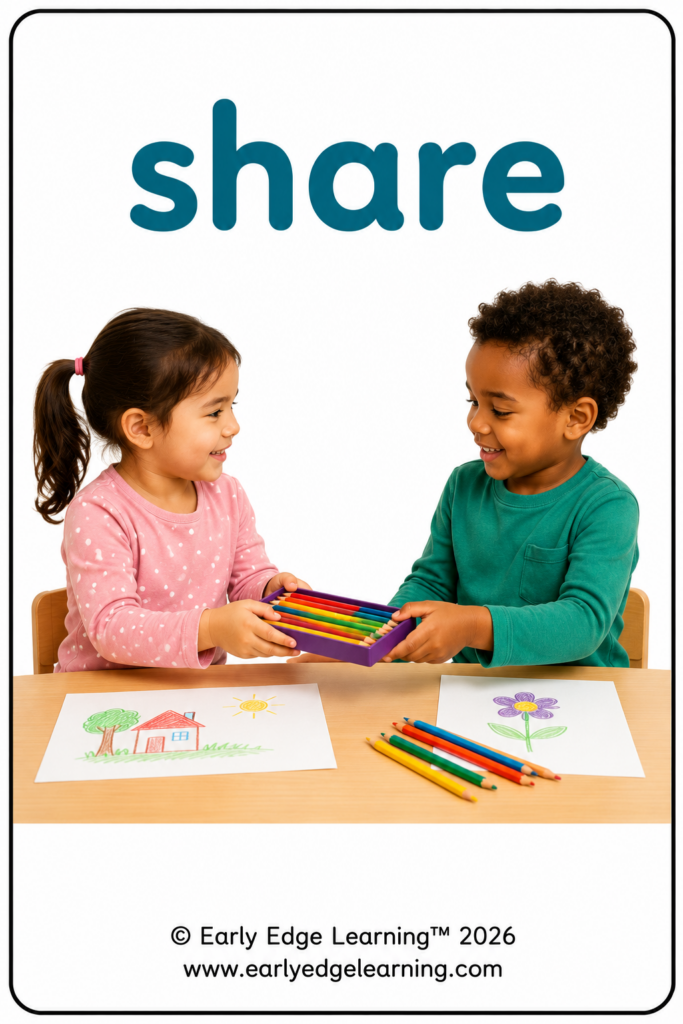
Picture of the Week, Weekly Updates

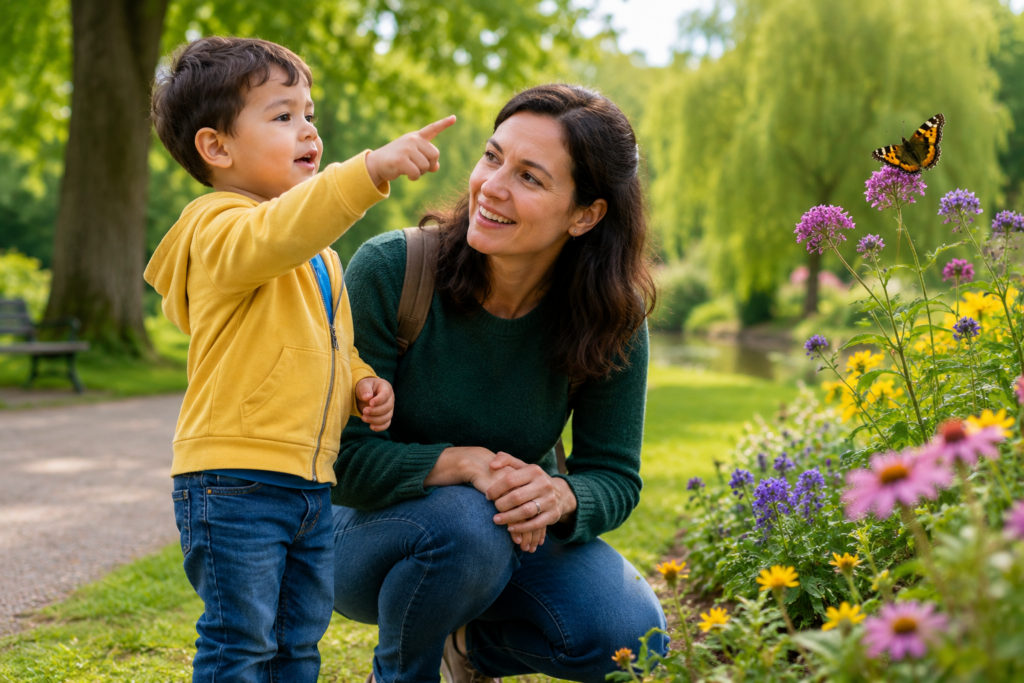
Week 11 Picture of the Week

You can build vocabulary and improve turn-taking talk skills by using this picture as a starting point to talk with your child.

  • What is happening?
  • What’s going to happen next?
  • Is there anything they like or dislike?
  • Can they spot anything unusual about the picture?

Answer any questions your child may have. Take time to explain any new vocabulary so your child feels confident using it.

10 March 2026

Weekly Updates, Word of the Week

Week 11 Word of the Week: Before

Meaning: Something that happens earlier.

Example: “Wash your hands before dinner.”

Say it in real-life moments (mealtimes, bath, getting dressed, play). Point to what’s happening, then use the word in a short sentence. Repeat it often and ask your child to repeat it too.

Words appearing in Word of the Week have been chosen to support the DfE (Department for Education) emphasis on skills and vocabulary required for children from birth to age 5. These skills and goals are set out in the Early Years Foundation Stage Framework (EYFS), which is designed for early childhood learning.
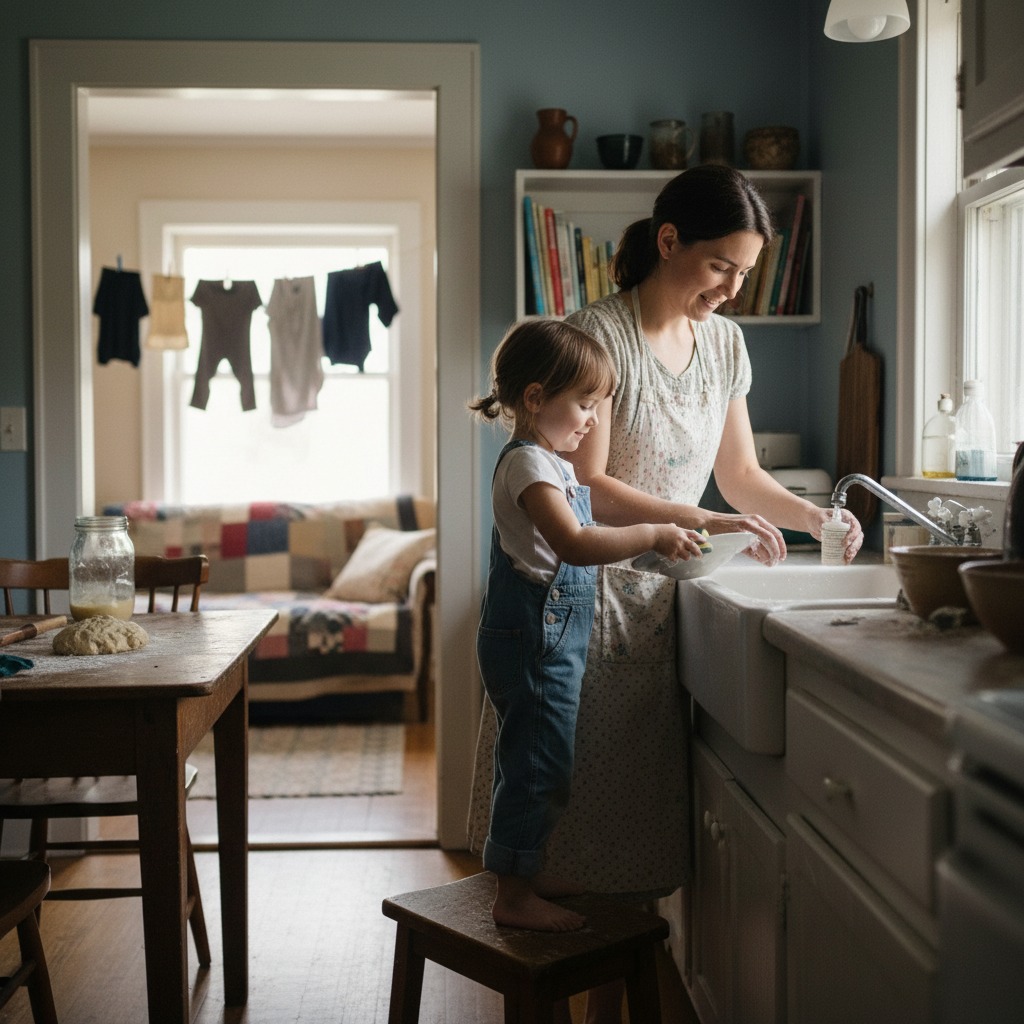
Blog

What Does “School-Ready” Really Mean?

March 2026

TLDR :

School-readiness means being developmentally ready for Reception (the first year of primary school) — able to take part in classroom learning, routines and relationships — and it is not the same as the formal checks done at the end of Reception (age 5). The Department for Education (DfE) and Early Years Foundation Stage (EYFS) framework both position school-readiness as the foundation for future learning, and research shows that early language, communication, everyday knowledge and routines can shape children’s confidence and later school outcomes. That is why Early Edge Learning focuses on simple, practical home routines that build the skills children need most at the start of school — especially talk, vocabulary, turn-taking, independence, attention and confidence. Get Reception-Ready Resources Here

School-readiness is best understood as being developmentally ready for Reception (the first year of primary school) — in other words, whether a child can take part in the learning, routines and relationships of the Reception classroom. (Kindred Squared’s definition refers to this, where concerns are not due to an identified special educational need or disability (SEND).

This is different from the formal checks completed at the end of Reception (age 5), which look at how a child has progressed during their first year at school. Kindred Squared uses this developmental definition, and the DfE (Department for Education) also describes school-readiness in the EYFS (Early Years Foundation Stage) as the foundation for future learning and life.

This is why Reception-readiness is the focus of Early Edge Learning: the early years (ages 0–5) help shape a child’s start in Reception and their ability to access the opportunities school provides. Research shows that early language, communication, everyday knowledge, and familiar routines are essential foundations for the start of formal education and has an impact on pupil outcomes. That is why Early Edge Learning focuses on simple, practical things families can do at home — especially talk, vocabulary, turn-taking, independence, attention, and confidence.

Reception-Readiness

Reception-ready isn’t about reading early, perfect handwriting, or sitting still for long periods.
It simply means your child is developing a set of skills and behaviours that make starting Reception feel easier, calmer, and more comfortable. When children aren’t quite ready for the routines and expectations, school can feel overwhelming — and learning can be harder than it needs to be.

Many children begin building these skills naturally in nursery or preschool. But Reception is often a step up in structure: more whole-class moments, more instructions, more transitions — and a larger class, sometimes up to 30 children. With more noise and more going on, children benefit from having a few key “everyday” skills already underway.

The EYFS focuses on skills that support children to settle, join in, and cope confidently with the school day:

1) Personal, Social and Emotional Development (PSED)

This is different from the formal checks completed at the end of Reception (age 5), which look at how a child has progressed during their first year at school. Kindred Squared uses this developmental definition, and the DfE (Department for Education) also describes school-readiness in the EYFS (Early Years Foundation Stage) as the foundation for future learning and life.

This is why Reception-readiness is the focus of Early Edge Learning: the early years (ages 0–5) help shape a child’s start in Reception and their ability to access the opportunities school provides. Research shows that early language, communication, everyday knowledge, and familiar routines are essential foundations for the start of formal education. That is why Early Edge Learning focuses on simple, practical things families can do at home — especially talk, vocabulary, turn-taking, independence, attention, and confidence.

This includes self-confidence, managing big feelings, forming positive relationships, resilience, and growing independence. Reception-ready children are still learning (of course!), but they’re beginning to:

  • separate from a grown-up with support
  • take turns and cope with “not yet”
  • keep going after a mistake

2) Communication and Language

This is a huge part of school readiness. Children need practice with listening, understanding simple instructions, and sharing thoughts and feelings. Helpful signs include:

  • responding to their name
  • following a short instruction (e.g., “Put your coat on, please.”)
  • using words (or gestures) to explain what they need

3) Physical Development

Children build strong bodies for play and learning: gross motor skills (running, climbing, jumping) and fine motor skills (using cutlery, turning pages, holding tools). Healthy habits matter too — hygiene, sleep routines, and confidence with toileting.

Reception-readiness grows through simple routines you can build into normal days — chatting on the walk, giving simple choices, practising “first/then,” and encouraging a “have-a-go” attitude.

Early Edge Learning resources are designed to help you practise these skills in quick, realistic ways — with both interactive, on-the-go options and print-at-home versions.

Ready to start today? Explore my ‘evergreen’ resources — simple downloads you can use anytime, again and again — and pick one small routine to try this week.

Picture of the Week, Weekly Updates

Week 10 Picture of the Week

Use this picture as a starting point to talk with your child.

What is happening? Is there anything they like or dislike?

Answer any questions they may have. Take time to explain any new vocabulary so your child can feel confident in using new words.

Weekly Updates, Word of the Week

Week 9 Word of the Week: Look

Meaning: To use your eyes to see. Week 10
Example: “Look at that little bird in the tree.”

Say it in real-life moments (mealtimes, bath, getting dressed, play). Point to what’s happening, then use the word in a short sentence. Repeat it often and ask your child to repeat it too.

Words appearing in Word of the Week have been chosen to support the DfE (Department for Education) emphasis on skills and vocabulary required for children from birth to age 5. These skills and goals are set out in the Early Years Foundation Stage Framework (EYFS), which is designed for early childhood learning.
Subscribe for FREE Weekly Word + Picture

X
Scroll to Top