
Weekly Updates

Word of the Week and Picture of the Week to be sent to subscribers automatically by RSS

Picture of the Week, Weekly Updates

Week 27 – Picture of the Week

Grown-Up Guide: Let’s Talk!

Words you may find useful:

What to do

Sit together and look at the picture. Let your child lead — follow what they notice first.

You say it first (Copy + Add)

“I can see snow.”

“There are footprints in the snow.”

“The child is wearing warm boots.”

👉 Then, depending on the age of your child, add one or more words:

“Fresh white snow.”

“Deep footprints in the snow.”

“A warm winter coat.”

💬 3 questions to build language

“What can you see?”

“Who do you think made the footprints?”

“What do we wear when it is cold?”

If no answer

That’s okay — keep modelling:

“It is snow.”

“These are footprints.”

“The boots keep our feet warm.”

⏱️ 2-minute routine

Look → Name → Add one word → Ask one question

Keep it short, warm, and pressure-free.
Weekly Updates, Word of the Week

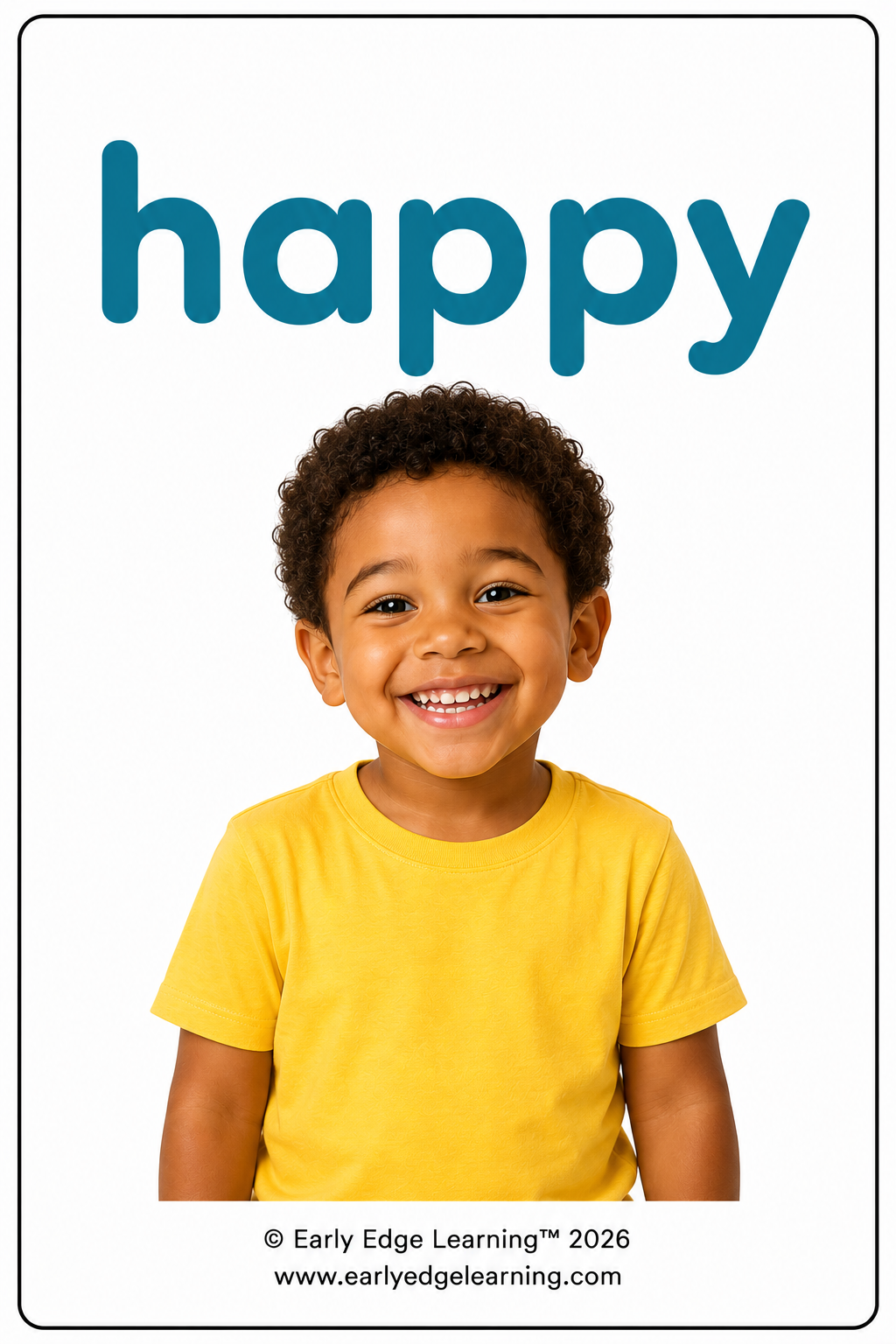
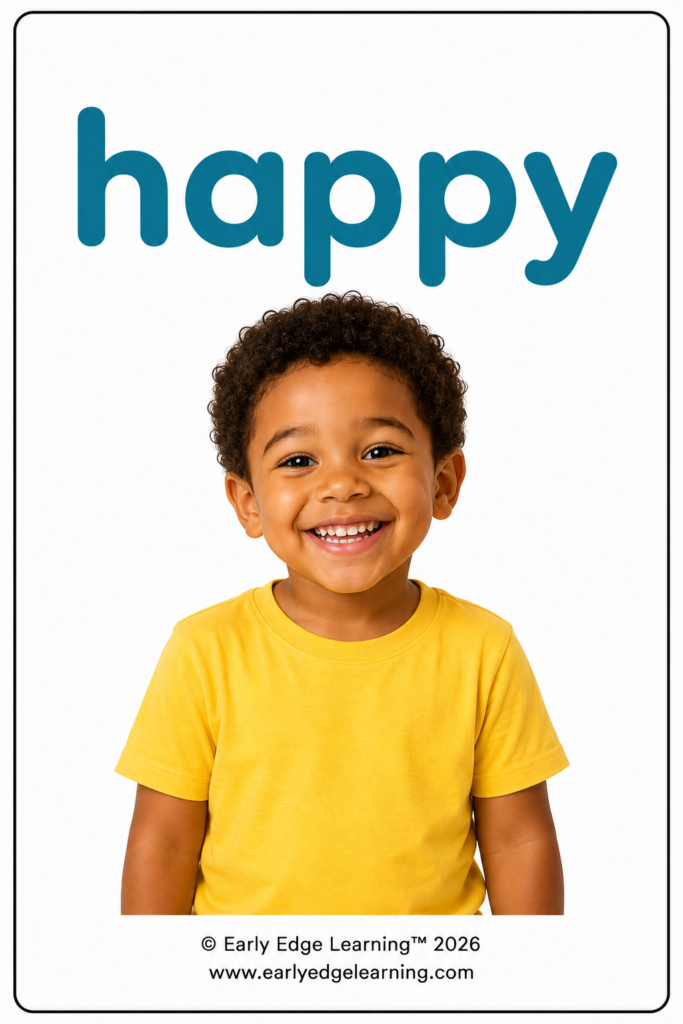
Week 26 – Word of the Week – happy

Say it in real-life moments (mealtimes, bath, getting dressed, play). Point to what’s happening, then use the word in a short sentence. Repeat it often and ask your child to repeat it too.

Words appearing in Word of the Week have been chosen to support the DfE (Department for Education) emphasis on skills and vocabulary required for children from birth to age 5. These skills and goals are set out in the Early Years Foundation Stage Framework (EYFS), which is designed for early childhood learning.

Picture of the Week, Weekly Updates

Picture of the Week – Week 25

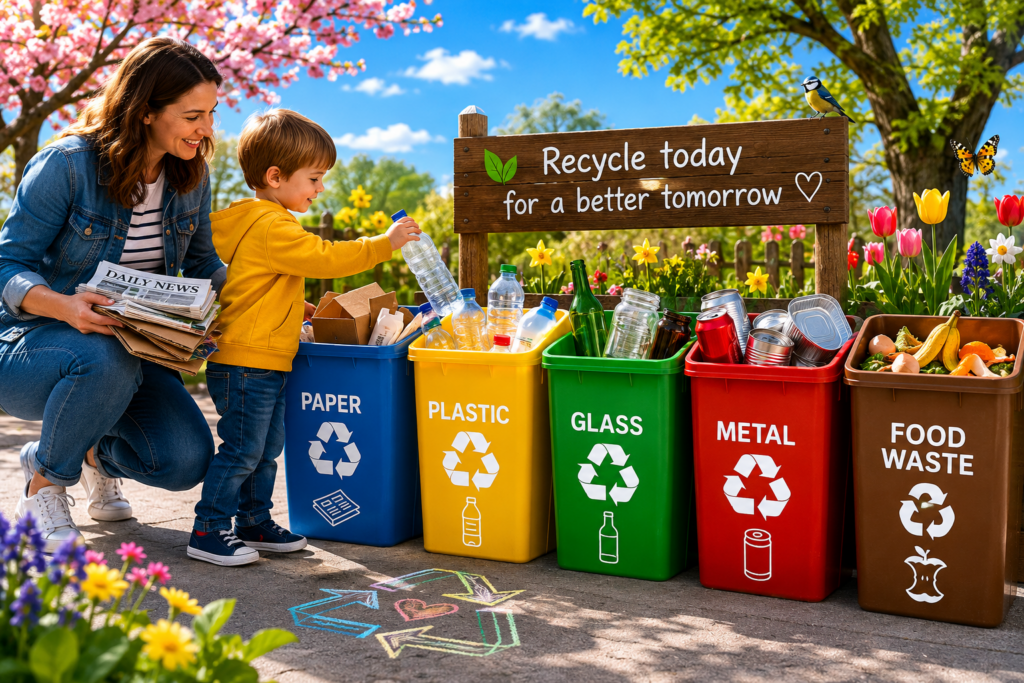
Let’s Talk: Recycling Together

Recycling is a wonderful way to help children notice the different materials we use every day and understand how we can care for our world. As you look at the picture together, talk about the colours of the bins, the names of everyday objects, and where each item belongs. There are no right or wrong answers at first—the aim is simply to encourage conversation and curiosity.

Words you may find useful

Grown-Up Guide: Let’s Talk!

What to do

Look at the picture together. Point to one item at a time and encourage your child to name it. Talk about what it is made from and which recycling bin it belongs in.

You say it first (Copy + Add)

  • “This is a plastic bottle.”
  • “The newspaper goes in the paper bin.”
  • “The glass jar goes in the glass bin.”
  • “We are sorting our recycling.”
  • “Recycling helps to look after our planet.”

👉 Then, depending on the age of your child, add one or more words:

  • “The empty plastic bottle goes into the yellow recycling bin.”
  • “We rinse the jar before we recycle it.”
  • “Different materials go into different bins.”
  • “Recycling means we can use these materials again.”

💬 3 questions

  • Which bin does the bottle go in?
  • Can you find something made of paper?
  • Why do you think recycling is important?

If no answer

You say it first. For example:

⏱️ 2-minute routine

Collect two or three safe recyclable items from around your home, such as a cereal box, a plastic bottle and a yoghurt pot. Ask your child to sort them into simple groups (paper, plastic or metal) while talking about what each item is made from. This quick game builds vocabulary, observation skills and early understanding of how we can care for the environment together.

Weekly Updates, Word of the Week

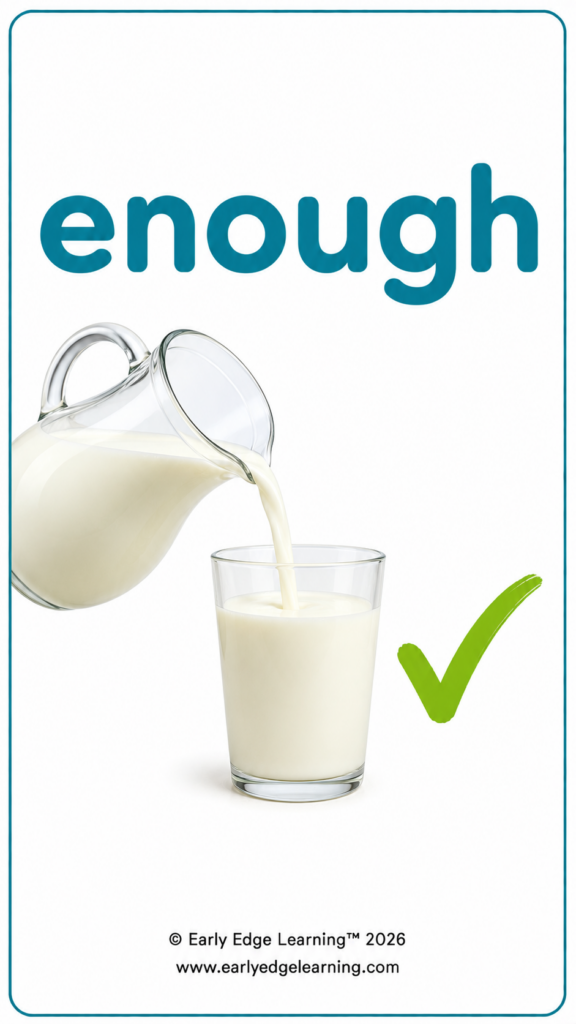
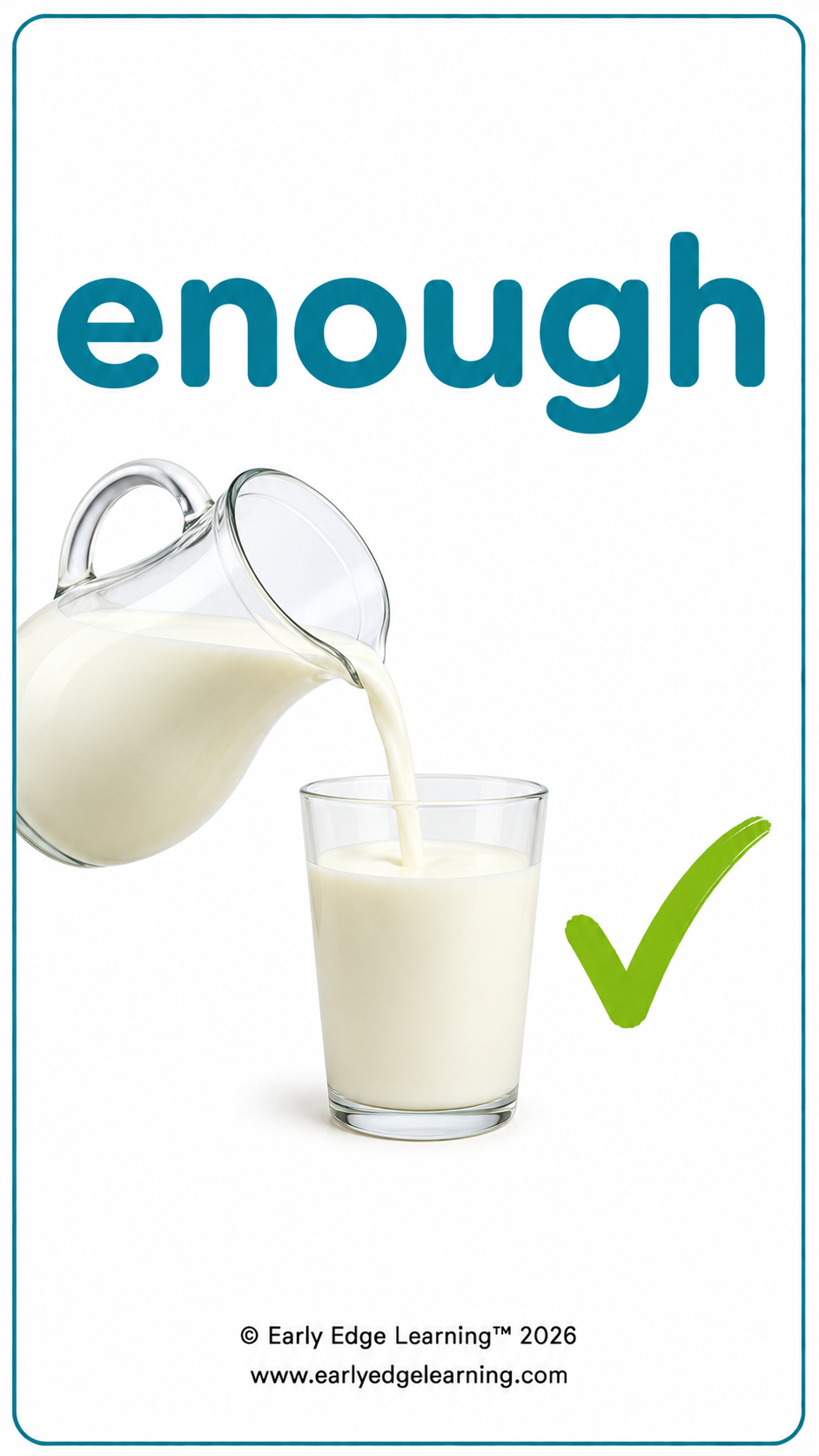
Week 25 – Word of the Week – Enough

Say it in real-life moments (mealtimes, bath, getting dressed, play). Point to what’s happening, then use the word in a short sentence. Repeat it often and ask your child to repeat it too.

Words appearing in Word of the Week have been chosen to support the DfE (Department for Education) emphasis on skills and vocabulary required for children from birth to age 5. These skills and goals are set out in the Early Years Foundation Stage Framework (EYFS), which is designed for early childhood learning.

Picture of the Week, Weekly Updates

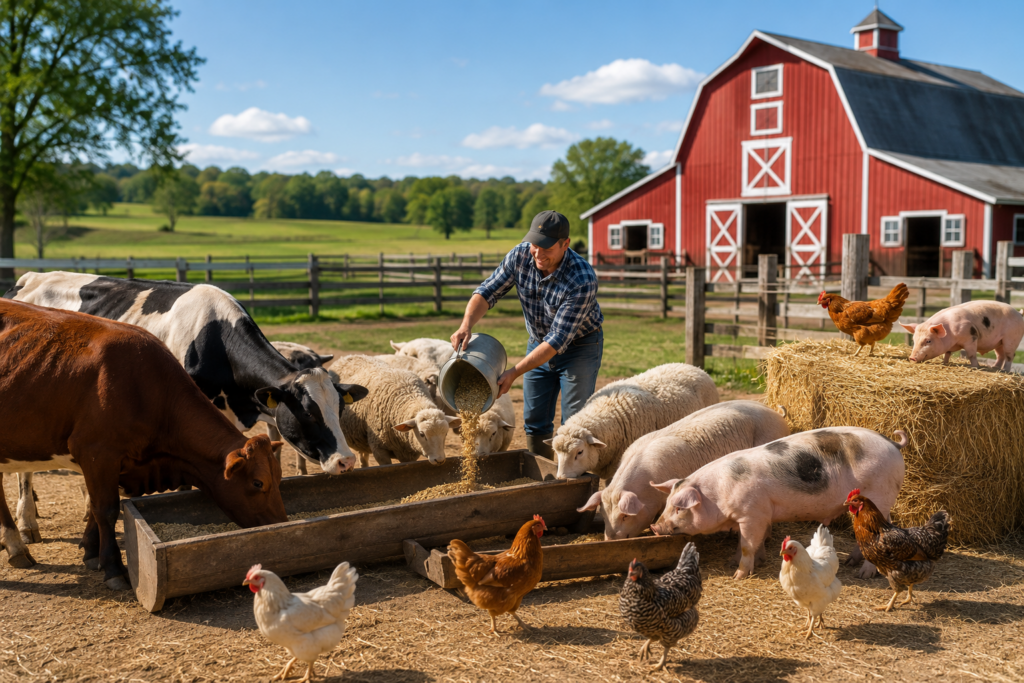
Picture of the Week – Week 24

Words you may find useful:


Grown-Up Guide: Let’s Talk!

What to do

Sit together and look at the picture. Let your child lead — follow what they notice first.


You say it first (Copy + Add)

“I can see farm animals.”

“The farmer is feeding them.”

“The animals look hungry.”


👉 Then, depending on the age of your child, add one or more words:

“A hungry brown cow.”

“A fluffy white sheep.”

“A busy farmer feeding the animals.”


💬 3 questions to build language

“What animals can you see?”

“What do you think they are eating?”

“Which animal would you like to feed?”


If no answer

That’s okay — keep modelling:

“It is a cow.”

“The farmer is feeding the animals.”

“The chickens are looking for food.”


⏱️ 2-minute routine

Look → Name → Add one word → Ask one question

Keep it short, warm, and pressure-free


Early Edge Learning™
Helping families build vocabulary, confidence and school readiness through everyday conversation.

Weekly Updates, Word of the Week

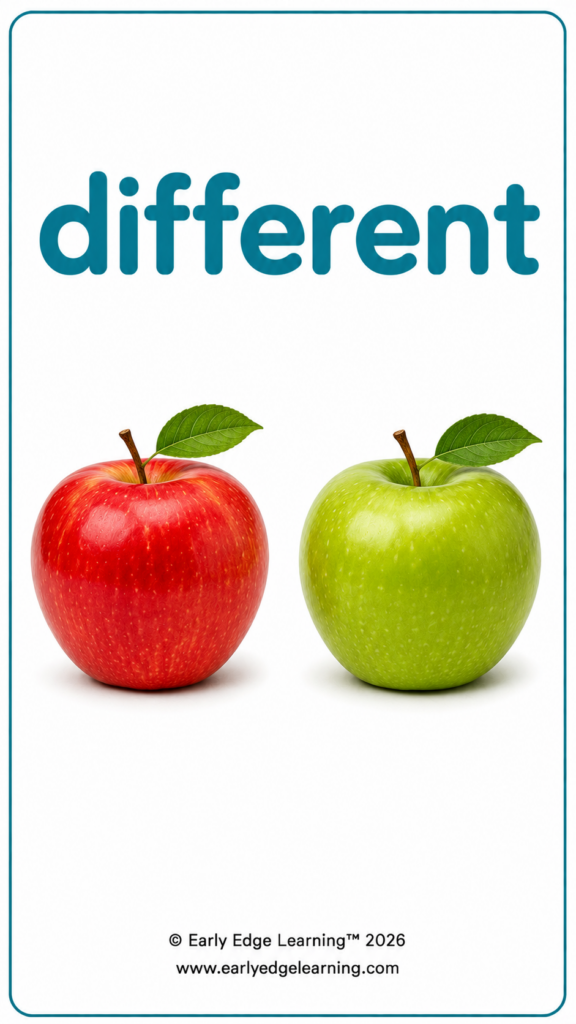
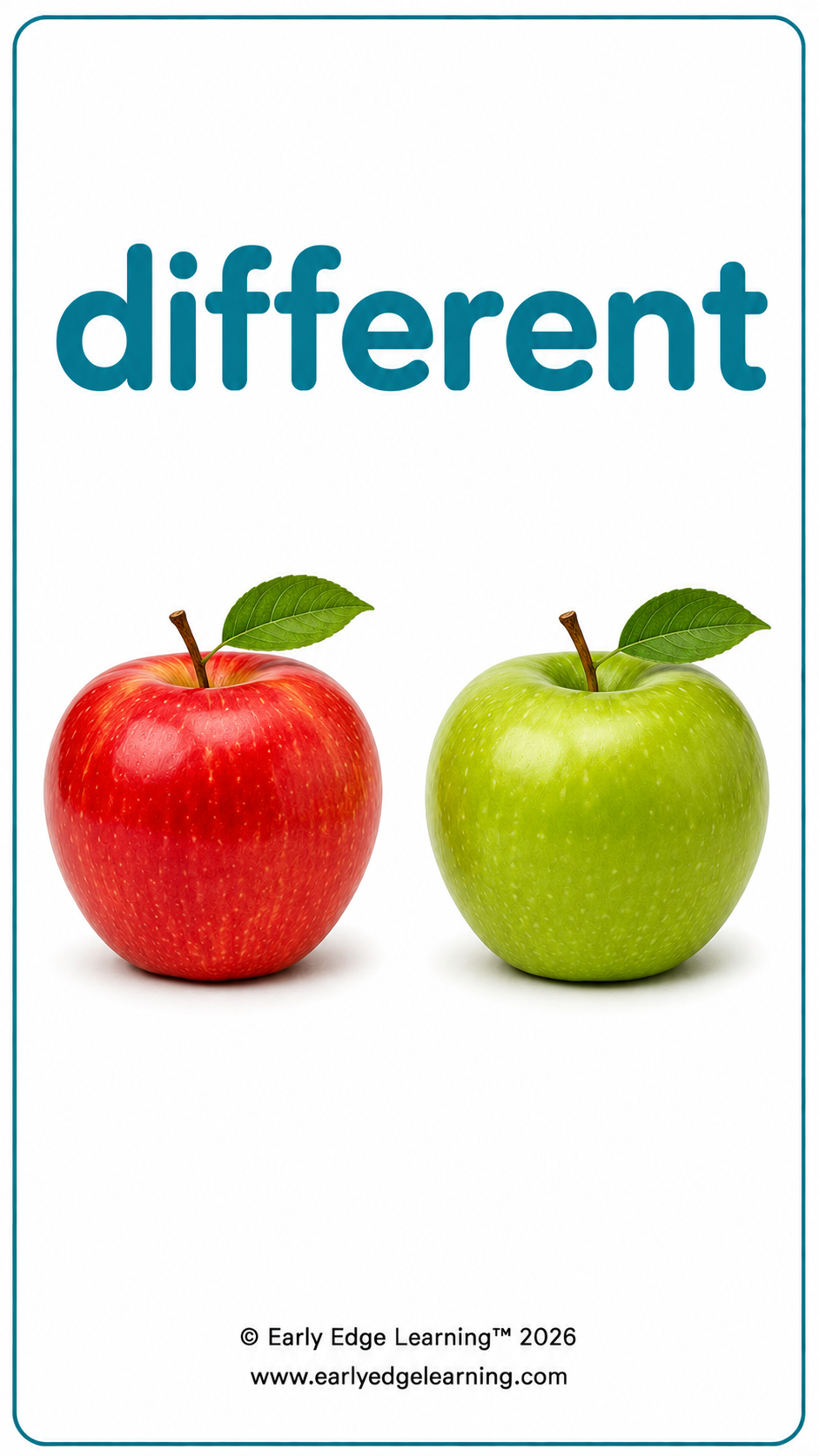
Week 24 Word of the Week – different

Say it in real-life moments (mealtimes, bath, getting dressed, play). Point to what’s happening, then use the word in a short sentence. Repeat it often and ask your child to repeat it too.

Words appearing in Word of the Week have been chosen to support the DfE (Department for Education) emphasis on skills and vocabulary required for children from birth to age 5. These skills and goals are set out in the Early Years Foundation Stage Framework (EYFS), which is designed for early childhood learning.

Subscribe for FREE Weekly Word + Picture

Close Welcome Bar
Scroll to Top