Weekly Updates

Word of the Week and Picture of the Week to be sent to subscribers automatically by RSS

Picture of the Week, Weekly Updates

Week 33 – Picture of the Week

Grown-Up Guide: Let’s Talk!

Words you may find useful:

What to do

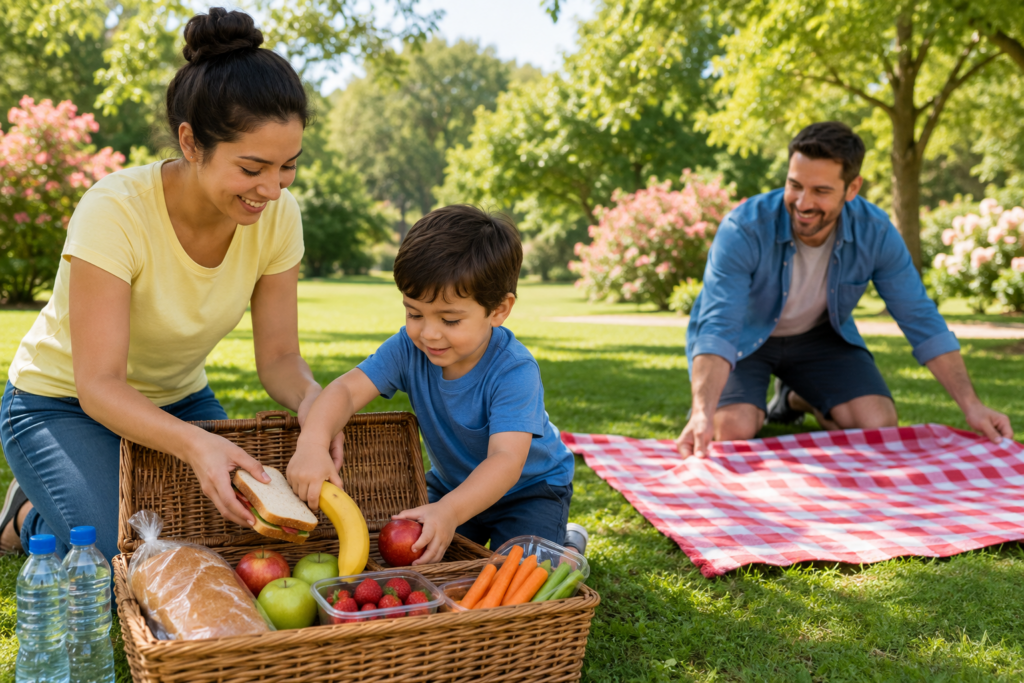
This picture helps develop your child’s Communication and Language by encouraging them to name foods, describe what they can see and use new vocabulary. It also supports Physical Development as children begin to understand healthy food choices and why eating a balanced diet helps keep our bodies strong.

Sit together and look at the picture. Let your child lead—follow what they notice first.

You say it first (Copy + Add)

“I can see a picnic.”

“They are putting food into the basket.”

“The fruit looks fresh and colourful.”

👉 Then, depending on the age of your child, add one or more words:

“A juicy red strawberry.”

“A healthy picnic lunch.”

“A soft picnic blanket.”

💬 3 questions to build language

“What foods can you see?”

“Which healthy food would you choose to eat first?”

“What would you pack for your own picnic?”

If no answer

That’s okay—keep modelling:

“I can see some fruit.”

“They are making a picnic.”

“The basket is full of healthy food.”

⏱️ 2-minute routine

🍎 Choose two healthy snacks from your kitchen.
🧺 Pack them into a lunchbox or small bag together.
💬 Talk about why each food is good for our bodies.
🌳 Enjoy your snack together in the garden, at the park or even on a blanket indoors.

Keep it short, warm, and pressure-free.
Weekly Updates, Word of the Week

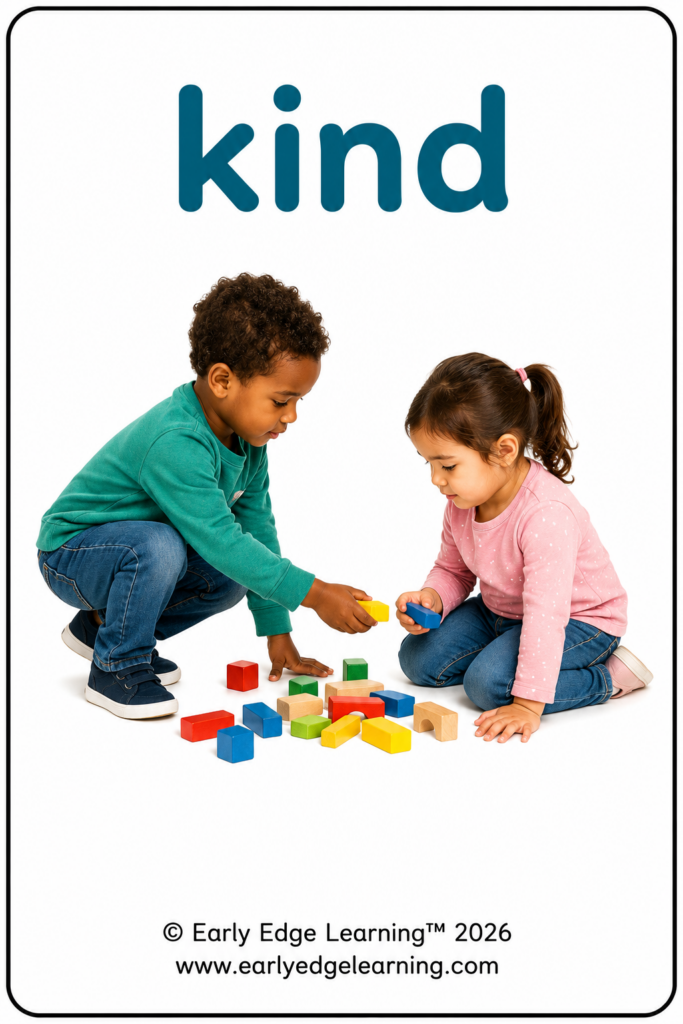
Week 32 – Word of the Week – kind

Examples:

Say it in real-life moments (mealtimes, bath, getting dressed, play). Point to what’s happening, then use the word in a short sentence. Repeat it often and ask your child to repeat it too.

Words appearing in Word of the Week have been chosen to support the DfE (Department for Education) emphasis on skills and vocabulary required for children from birth to age 5. These skills and goals are set out in the Early Years Foundation Stage Framework (EYFS), which is designed for early childhood learning.

Picture of the Week, Weekly Updates

Week 32 – Picture of the Week

Grown-Up Guide: Let’s Talk!

What to do

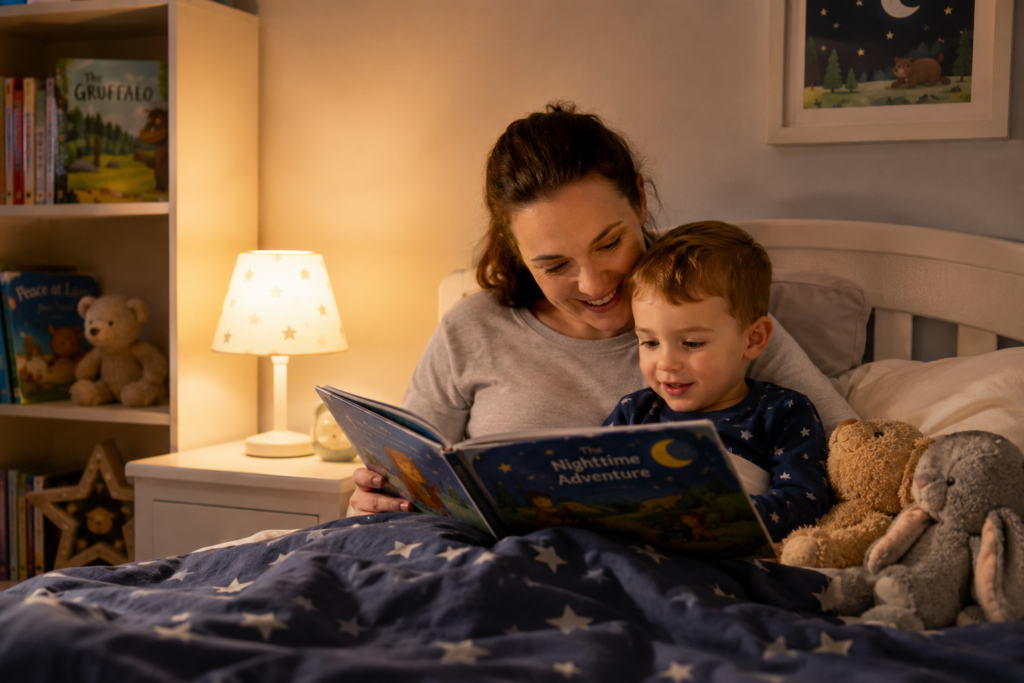
This picture helps develop your child’s Communication and Language by encouraging them to listen carefully, learn new words and talk about the story. It also supports Literacy as children begin to understand that books tell stories and reading can be enjoyable

Sit together and look at the picture. Let your child lead—follow what they notice first.

You say it first (Copy + Add)

“I can see a book.”

“The grown-up is reading a story.”

“The child is listening carefully.”

👉 Then, depending on the age of your child, add one or more words:

“A colourful picture book.”

“A cosy bedtime story.”

“A happy listening child.”

💬 3 questions to build language

“What can you see?”

“What do you think the story is about?”

“Which story do you like reading at bedtime?”

If no answer

That’s okay—keep modelling:

“They are reading together.”

“This is a storybook.”

“The child is listening.”

⏱️ 2-minute routine

📚 Choose a favourite picture book.
👀 Look at the front cover and guess what the story might be about.
💬 Read just one or two pages together and talk about the pictures.
❤️ Finish by asking your child to tell you their favourite part.

Keep it short, warm, and pressure-free.
Weekly Updates, Word of the Week

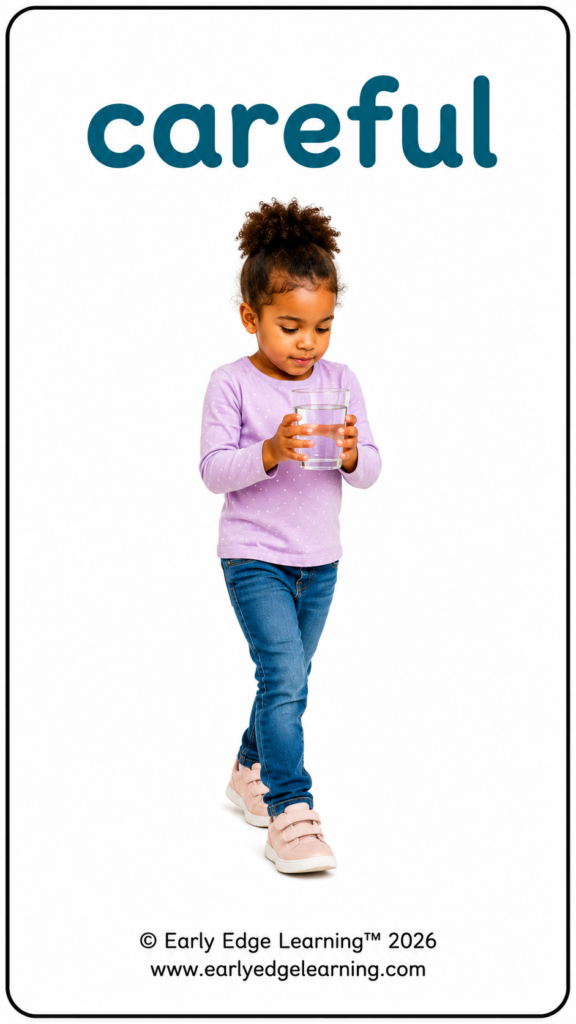
Week 31 – Word of the Week – careful

Say it in real-life moments (mealtimes, bath, getting dressed, play). Point to what’s happening, then use the word in a short sentence. Repeat it often and ask your child to repeat it too.

Words appearing in Word of the Week have been chosen to support the DfE (Department for Education) emphasis on skills and vocabulary required for children from birth to age 5. These skills and goals are set out in the Early Years Foundation Stage Framework (EYFS), which is designed for early childhood learning.

Picture of the Week, Weekly Updates

Week 31 – Picture of the Week

Grown-Up Guide: Let’s Talk!

Words you may find useful:

What to do

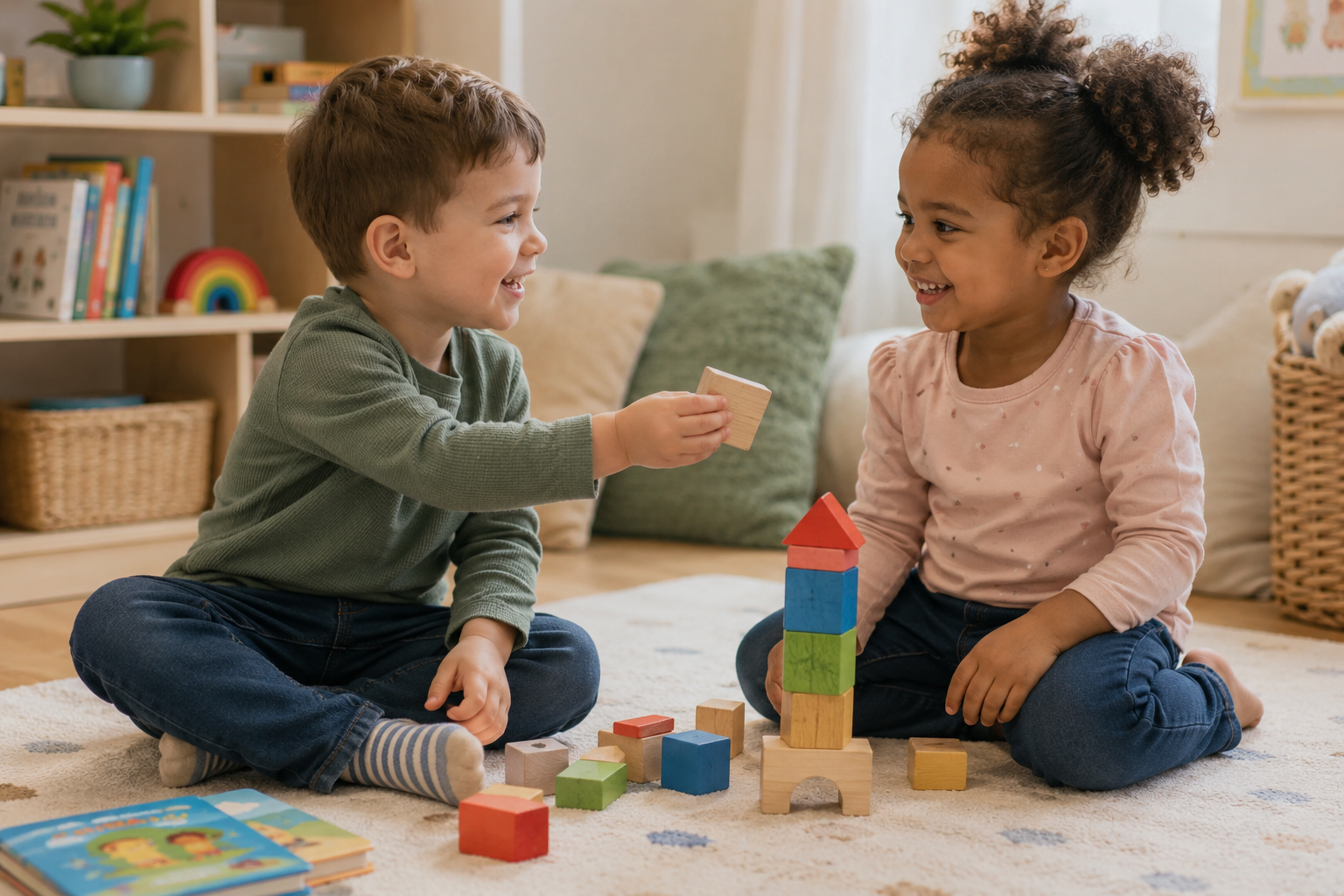
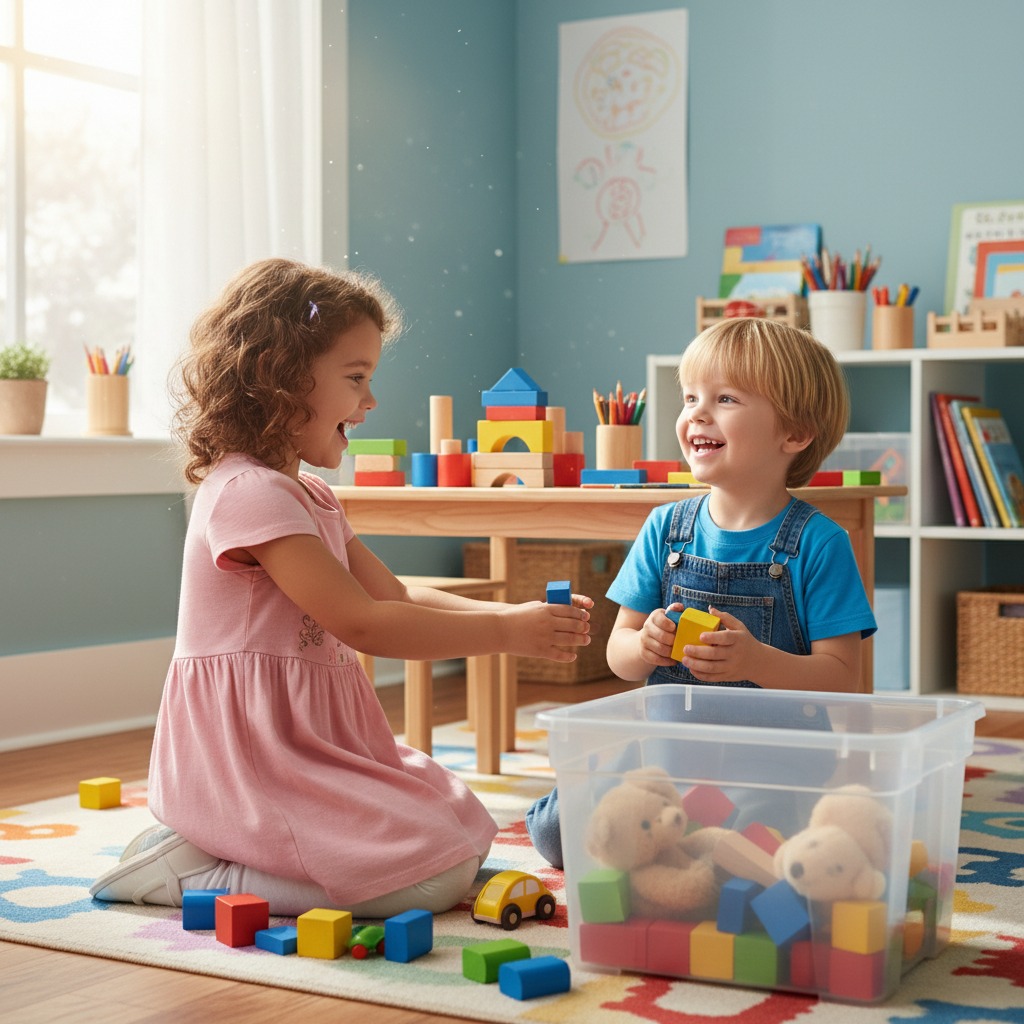
This picture helps develop your child’s Communication and Language by encouraging them to listen, talk and respond to others during play. It also supports Personal, Social and Emotional Development as children learn about sharing, taking turns and being a kind friend.

Sit together and look at the picture. Let your child lead—follow what they notice first.

You say it first (Copy + Add)

“I can see two children playing together.”

“They are sharing the toys.”

“They look like good friends.”

👉 Then, depending on the age of your child, add one or more words:

“Kind children sharing.”

“A tall block tower.”

“They are taking turns.”

💬 3 questions to build language

“What can you see?”

“What are the children doing together?”

“How can we be a kind friend when we play?”

If no answer

That’s okay—keep modelling:

“They are sharing.”

“They are building together.”

“The children are taking turns.”

⏱️ 2-minute routine

🧸 Look at two favourite toys.
🤝 Take turns choosing one toy each to play with.
💬 Say “Your turn” and “My turn” as you swap.
😊 Praise your child for sharing, waiting or using kind words.

Keep it short, warm, and pressure-free.

Weekly Updates, Word of the Week

Week 30 – Word of the Week – excited

Say it in real-life moments (mealtimes, bath, getting dressed, play). Point to what’s happening, then use the word in a short sentence. Repeat it often and ask your child to repeat it too.

Words appearing in Word of the Week have been chosen to support the DfE (Department for Education) emphasis on skills and vocabulary required for children from birth to age 5. These skills and goals are set out in the Early Years Foundation Stage Framework (EYFS), which is designed for early childhood learning.

Subscribe for FREE Weekly Word + Picture

Close Welcome Bar
Scroll to Top