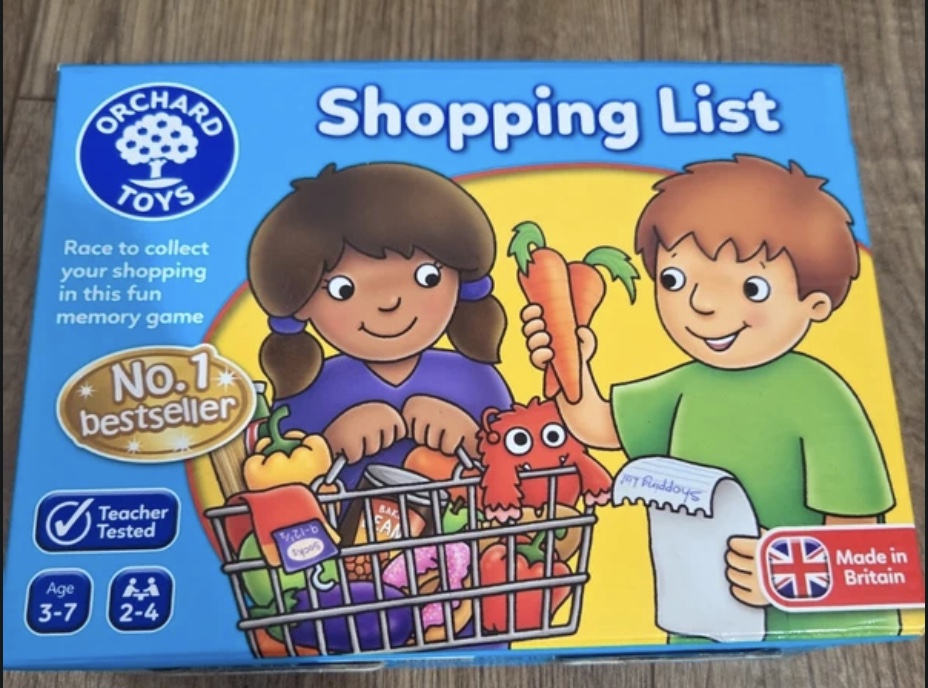
If you are looking for a simple game that builds attention, memory, and early learning skills, Shopping List is a lovely choice for preschoolers. Children take turns turning over cards and matching everyday food and household items to their board. It is easy to understand, requires no reading, and feels playful rather than formal.
This kind of game helps children practise listening, waiting, matching, taking turns, and remembering what they are looking for. It also supports vocabulary, because children see and talk about familiar shopping items they may already know from everyday life.
For children getting ready for Reception, this is useful because it builds the kind of focus and turn-taking they need in group activities and simple classroom games.
Where to buy – this game is often available for as little as £2 from some preloved platforms in the United Kingdom.
Disclosure: This post contains Amazon affiliate links. If you choose to buy through them, I may earn a small commission at no extra cost to you. As an Amazon Associate, I earn from qualifying purchases.
One note: there have been recalls affecting some Orchard Toys products in the past, but the recall notices I found were for other products or specific batches, not this Shopping List game.
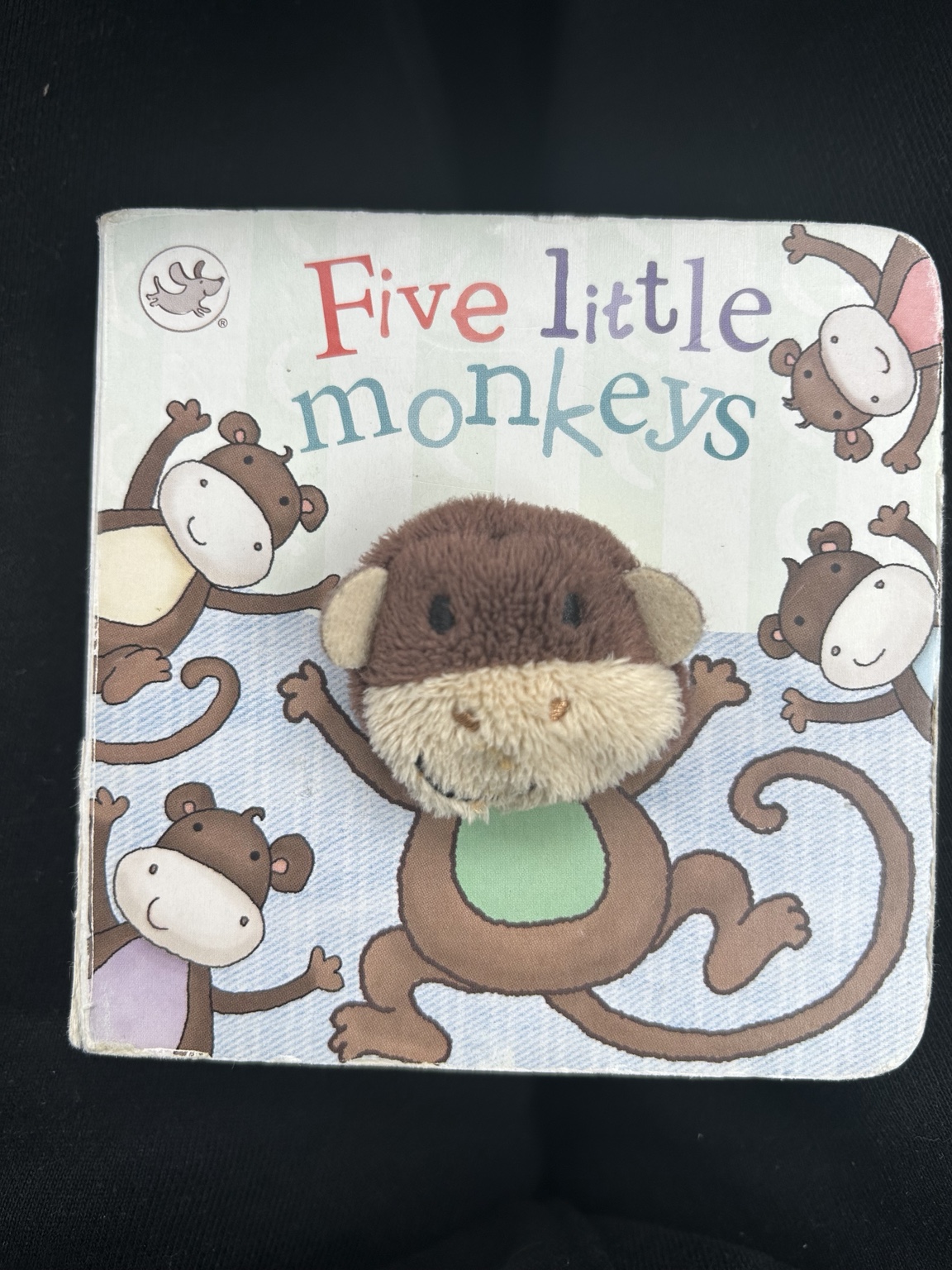
This Five Little Monkeys finger puppet book is a lovely example of a preschool-friendly book that combines counting, rhyme, repetition, and play. The soft puppet in the middle makes it especially engaging for young children, because it gives them something to look at, touch, and follow as you read together.
Why this book is good for numeracy
At first glance, this looks like a fun novelty book. But books like this are actually very useful for helping young children build early maths understanding.
With a story or rhyme based around five little monkeys, children begin to hear and notice:
counting in order
the idea that numbers relate to quantity
one less each time
repetition and pattern in number songs
early number language such as one, two, three, four, five
This matters because early numeracy is not just about recognising written numbers. It is also about hearing number words again and again, joining in, and beginning to understand what those words mean.
Why finger puppet books work so well
The puppet element helps hold a child’s attention and makes story time feel playful rather than formal.
You can use the puppet to:
count the monkeys together
point to monkeys on the page
encourage your child to join in with repeated lines
act out the rhyme
pause and ask, “How many monkeys are left?”
That little bit of movement can make a big difference, especially for younger preschoolers who are still learning to sit, watch, listen, and join in.
Great for school readiness
Books like this support more than just counting.
They also help children practise:
listening and attention
turn-taking
joining in with familiar words
noticing pattern and sequence
building confidence with early number language
These are all useful foundations for Reception, where children are expected to listen to stories, join in with rhymes, and begin exploring number in practical ways.
A good reminder: learning does not have to be expensive
One of the best things about little books like this is that they do not need to cost much.
This is exactly the sort of item parents can often pick up at boot fairs for about 20p, which makes it a brilliant low-cost find for home learning. Sometimes the best resources are not the newest or most expensive ones. They are the simple, well-loved books that children want to read again and again.
Easy ways to use this book at home
You do not need to “teach” with it. Just keep it playful.
Try:
counting the monkeys on each page
holding up fingers as you read
asking, “How many now?”
saying the number words slowly together
using the puppet to “jump” as you tell the rhyme
Even two minutes of this kind of shared reading can help build familiarity with number language.
This post contains affiliate links. As an Amazon Associate, I earn from qualifying purchases:https://amzn.to/48T64nh
2 minutes that build listening Last month’s poll showed that parents were keen to improve their child’s listening and attention skills. So this month, we are recommending a cost-free activity to help your child practise paying attention and following instructions.
Try a quick game of Simon Says at home. Say a simple action such as, “Simon says touch your head” or “Simon says clap twice.” Your child only does the action if you say “Simon says” first.
This easy game helps children listen carefully, notice key words, wait, and follow instructions. These are all important skills for nursery, preschool, and Reception.
Keep it short, playful, and simple. Two minutes is enough.
Try these ideas: “Simon says, sit down.” “Simon says, hands on knees.” “Simon says, touch your nose.” “Jump!”
That last one is the trick — if you did not say “Simon says,” your child has to stop and listen again.
Why it helps: Listening games like this help children get ready for Reception because they practise paying attention, controlling impulses, and following simple spoken instructions — all skills children use every day in the classroom.
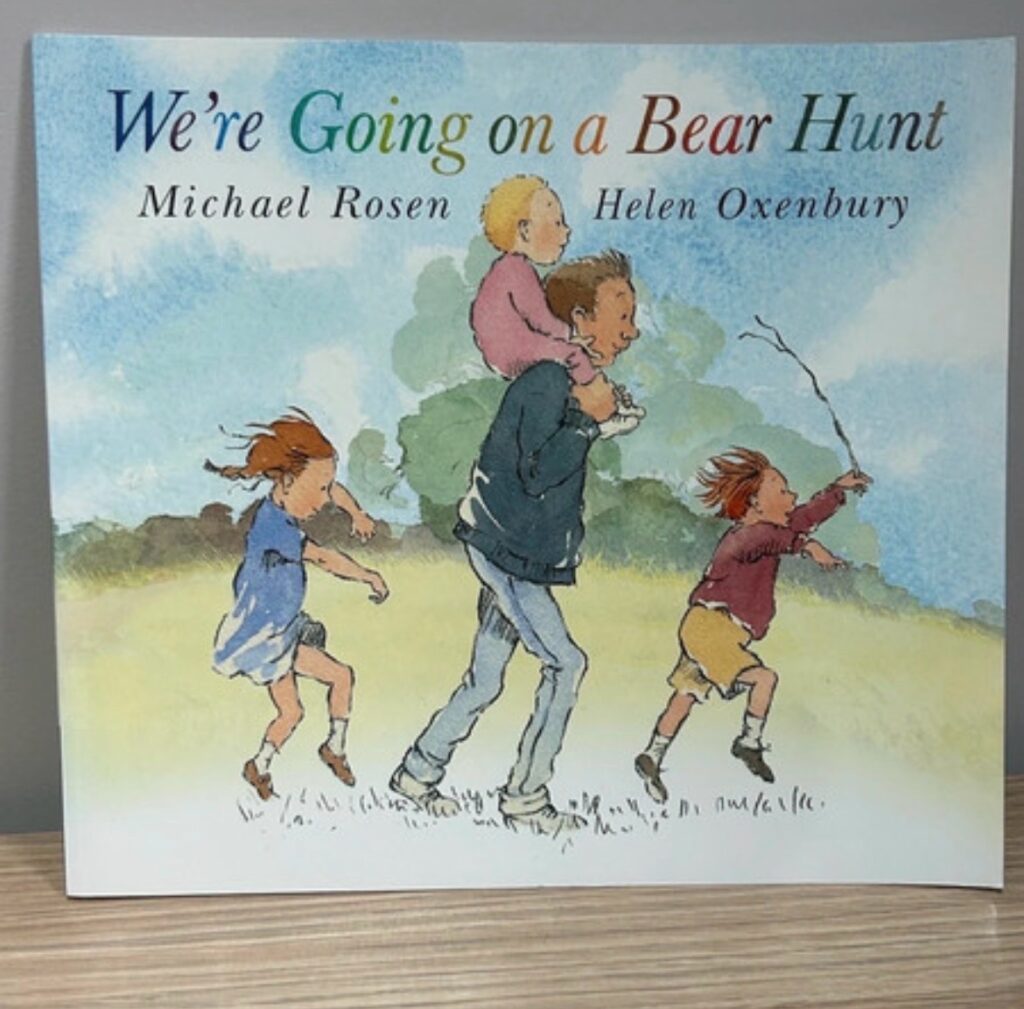
If you want one book that reliably gets preschoolers talking, this is it. The repeated phrases help children join in, the story uses words that imitate sounds, and the setting words build school-readiness language (over, under, through, around).
These are words children need to follow instructions and explain what they’re doing in a Reception classroom — and they come up all day, every day.
It’s also brilliant for confidence because children can “read” parts from memory very quickly.
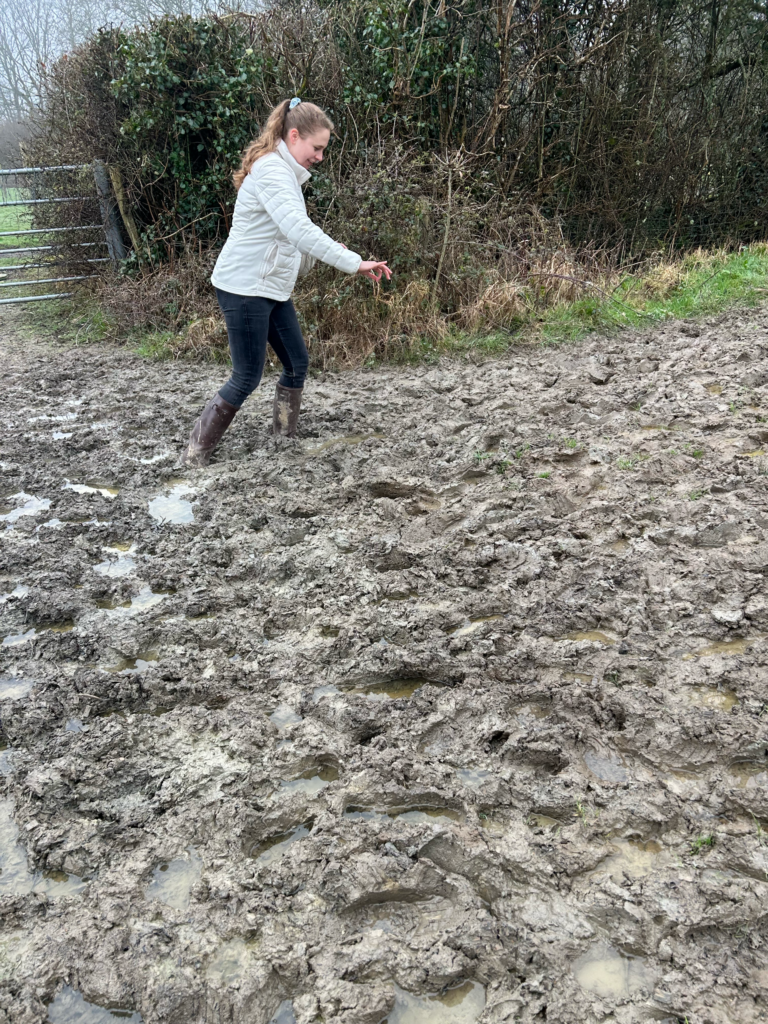
What noise do you think the mud makes?
Our bear hunt was definitely muddy!
Price
Expect to pay £1-£5, so it’s a realistic family buy. This book often appears at a low cost in UK retailers, both new and on preloved apps and websites.
Grown-ups’ Guide
Read once for fun.
Read again and pause so your child can say the repeated bits (even just one word).
Do a 1-minute “bear hunt” at home: go through a doorway, under a table, over a cushion — say the words as you move